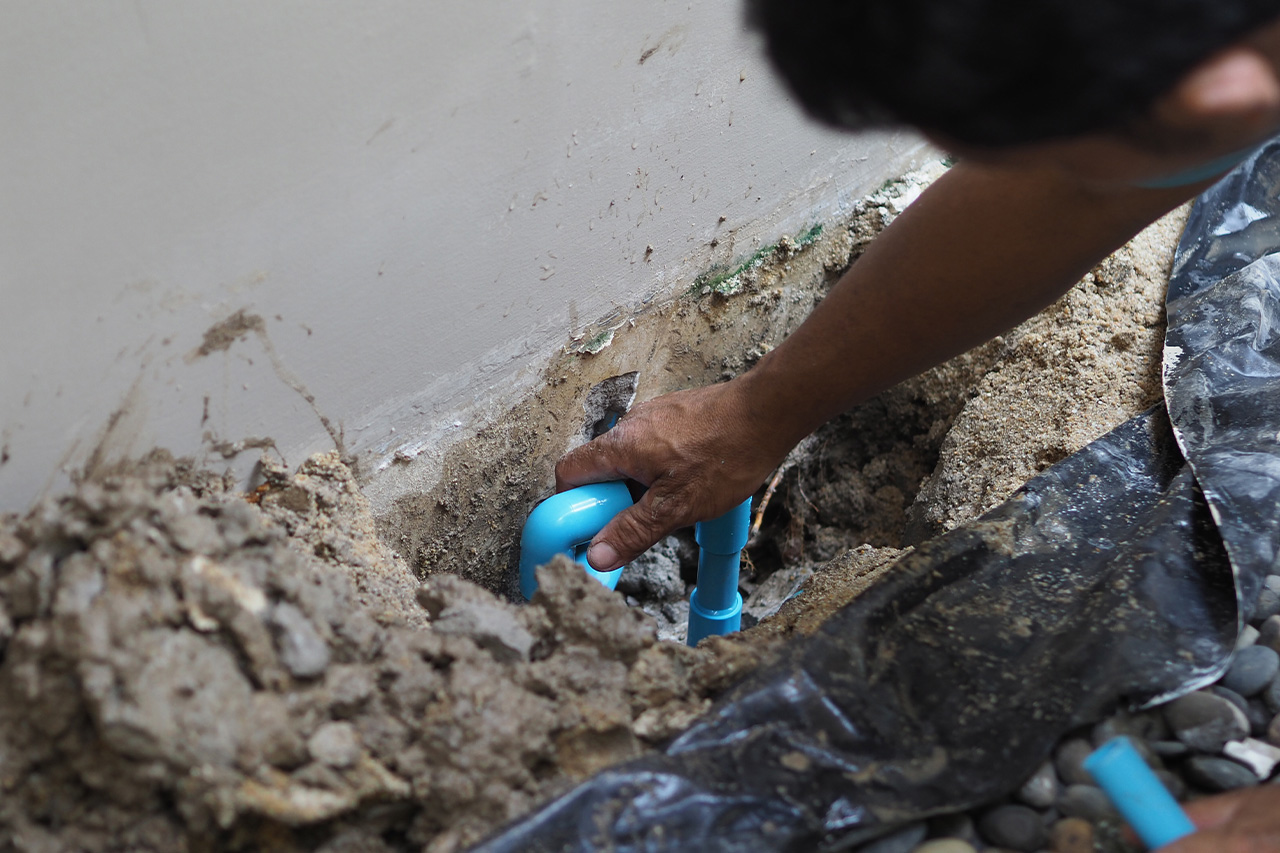
Water Leak Detection in Union County, NJ — Found Before We Open the Wall

Hidden leak, slab leak, mystery water bill, or a wet spot you can't trace? We pinpoint the source with the right tools — no guessing, no unnecessary damage.

A hidden leak doesn't fix itself. Every day it keeps going, your water bill climbs, the framing gets softer, and mold has more time to spread. The worst part? Most plumbers just start opening walls until they find it. Continental Plumbers has been finding hidden leaks across Union County since 1985 — with acoustic listening equipment, thermal imaging, and pressure testing. We locate the exact spot before any wall, floor, or ceiling comes down.

NJ Master Plumber License #9142
Since 1985
4.7★
(1,377 reviews)
BBB
Accredited A+
Same-Day Service
Signs You Have a Hidden Leak

Six Signs You Have a Water Leak Somewhere You Can't See

Most hidden leaks announce themselves quietly long before you see standing water. If any of these sound familiar, it’s time to call:
Water Bill Jumped for No Reason

Same usage habits, suddenly your bill went up $30, $80, $200. Most common sign of a hidden leak — usually in a supply line or running toilet.

You Hear Water Running When Nothing's On

Walk around the house at night with everything off. If you hear a faint hiss or trickle, you have water moving through a pipe somewhere it shouldn't.

Stains on Ceilings, Walls, or Floors

Brown rings, soft spots, peeling paint, or warped baseboards. The leak is rarely directly above or behind the stain — water travels.

Musty Smell or Mold Growth

A damp, earthy smell in a basement, closet, or bathroom — even without visible water — usually means moisture is building somewhere hidden.

Wet or Greener Patch in the Yard

Section of grass that's noticeably greener, soggy when it hasn't rained, or sunken. Often a leak in the main water line or sewer line between meter and house.

Hot Spot on the Floor (Slab Leak)

Warm spot on a tile or hardwood floor in a slab-foundation home. Hot water line leaking under the concrete.

Types of Leaks We Detect

Every Kind of Hidden Leak in Union County Homes

Different leaks need different tools. Here’s what we find:
Slab Leaks

Hot or cold water lines leaking under the concrete slab foundation. We locate the exact spot using acoustic listening and thermal imaging — so we cut a small section of slab, not the whole floor.

In-Wall Pipe Leaks

Supply lines or drain pipes leaking inside walls. We find them with moisture meters, thermal imaging, and pressure tests — usually opening one drywall section instead of three.

Pinhole Leaks in Copper

Tiny holes in old copper supply lines, common in homes 20+ years old. Often invisible until water damage shows. We isolate the affected section without repiping the whole line if possible.

Underground Water Line Leaks

Between the city water meter and your home. We pressure-test, listen acoustically, and identify the location without trenching the entire yard.

Hidden Toilet & Fixture Leaks

Wax ring leaks under toilets, supply line drips behind vanities, tub overflow leaks. Often the source of mystery ceiling stains in the room below.

Sewer Line Leaks

Cracks or broken sections in the drain line under the house or yard. Found with camera inspection — we see the exact location and depth.

How We Find Leaks Without Tearing Up Your Home

The Tools That Find Leaks Before the Wall Comes Down

A plumber without leak detection equipment finds leaks by opening walls until water shows up. We don’t work that way. Here’s how a real leak detection visit goes:

Four-step process:

Step 1
Walkthrough & Interview
We ask the right questions — when did you notice it, where, has the water bill changed, what does it sound like. Most leaks have a story that points us toward the area.
Step 2
Pressure Test
We isolate the plumbing system and pressurize the line. If pressure drops, there's a leak — and the drop pattern tells us which side of the system (hot, cold, supply, drain) is affected.
Step 3
Acoustic & Thermal Detection
Acoustic listening equipment hears water escaping through tiny openings — even behind walls or under concrete. Thermal imaging shows temperature differences where hot or cold water is leaking. Together, they narrow it down to inches.
Step 4
Pinpoint & Quote
We mark the exact spot. Then we tell you what it'll take to repair it — and if it requires opening a wall or floor, we tell you exactly how much. No more guessing, no exploratory demolition.
We Get It

The Worries We Hear from People Who Suspect a Leak

"I don't want a plumber tearing my walls open looking for it."

You shouldn't have to. The whole point of leak detection equipment is to find the leak before any drywall comes down. We use acoustic listening, thermal imaging, and pressure testing to narrow the location down to inches — and we tell you exactly where the cut will be before we make it.

"My water bill spiked and I have no idea where it's going."

This happens constantly in Union County, especially with older homes. Most of the time it's a running toilet flapper, an underground supply line leak, or a pinhole in copper that's been there for months. We can usually find the cause in a single visit.

"My house has a slab foundation. I'm terrified of a slab leak."

We get it — slab leaks have a reputation for being expensive nightmares. The cost depends mostly on whether you find the exact location early. We pinpoint slab leaks to a precise spot, which means a small repair cut instead of jackhammering half the floor.

"My tenant says there's a wet spot, but I can't get there until tomorrow."

Tell them to shut off the affected fixture or the main water valve if it's spreading. We can be there same-day in most cases — and if it's a slow leak, we document everything for your insurance and your records.

The Neighbor Difference

Why Union County Chooses Continental for Leak Detection

Local since 1985

40+ years finding leaks in Union County homes. We know where leaks hide.

Pinpoint accuracy

Acoustic, thermal, and pressure testing. We find it before we open the wall.

Same-day response

Most leak detection calls handled the day you call. 24/7 for active leaks.

🛡️ Documented for insurance

Photos, location reports, and findings — formatted for your insurance claim if needed.

Where We Serve

Water Leak Detection Across Union County

Don’t see your town? call (973) 900-0430
Water Leak Detection FAQs

Most leak detection visits take 60–90 minutes. Complex slab leaks or underground line leaks can take 2 hours. We work efficiently — the equipment gets us to the spot fast.
Only after we pinpoint the leak — and only the smallest cut needed to access the pipe. The whole point of using detection equipment is to avoid exploratory damage.
Yes — leak detection is a flat fee, quoted before we schedule. Unlike a repair, the detection itself is the deliverable, and the equipment we use is specialized. If you proceed with us on the repair, we credit the detection fee toward the repair cost.
Yes. Photos, location reports, and a written summary of findings — formatted to support insurance claims for water damage.
Yes. We handle leak detection for residential, small commercial, and multi-unit buildings across Union County.