- Mon–Sat 8AM–8PM
- 1374 Stuyvesant Ave, Union NJ 07083
- 24/7 Emergency Line Always Open
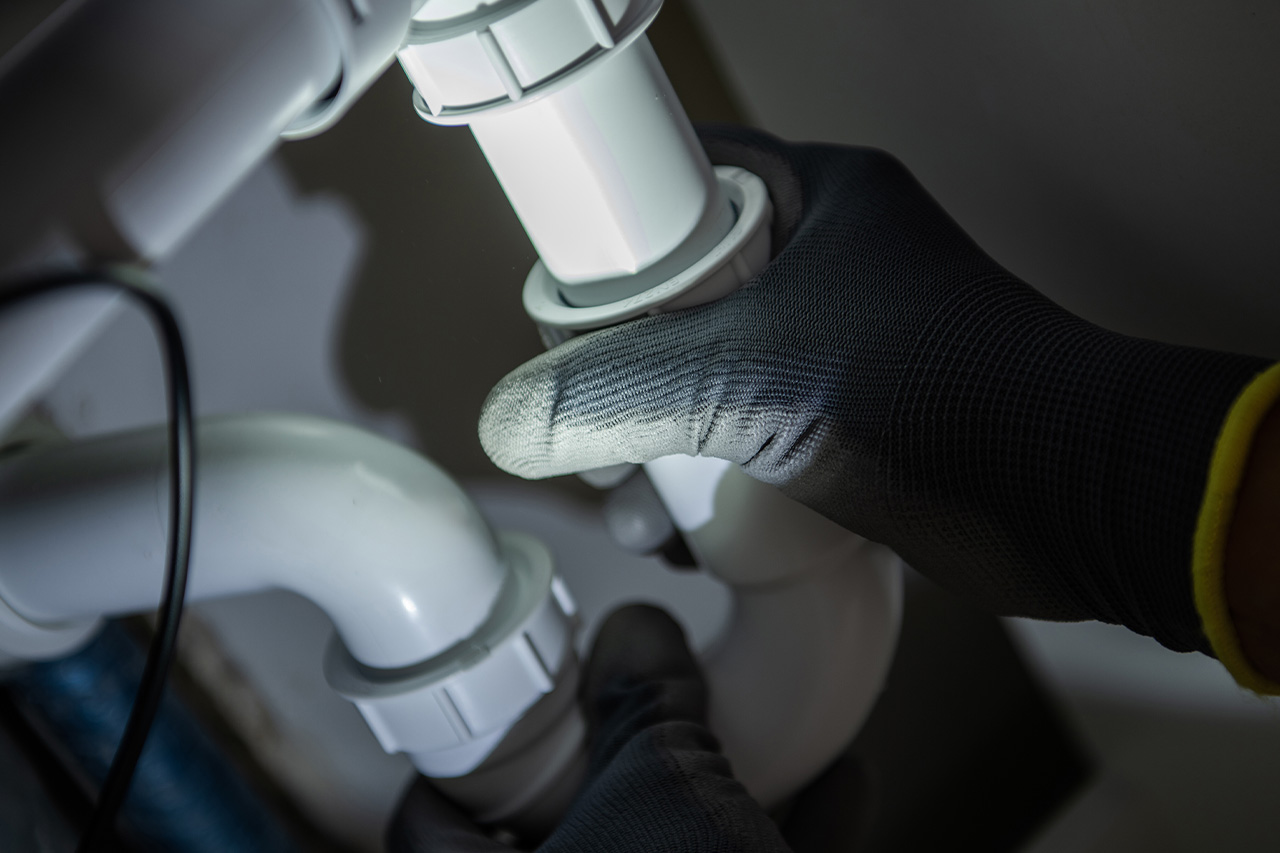
A snake-and-go visit only fixes the symptom. A proper cleaning addresses the cause. Here’s what we handle:
If sinks, toilets, and showers are slow or backing up at the same time, the problem isn't a single drain — it's the main line carrying everything out.
Health hazard. Water rising in the lowest fixtures means the main line is fully or partially blocked. Stop using all water and call immediately.
Strong, persistent sulfur or sewage odor — especially around floor drains, basement, or a soft patch of lawn. Often a cracked sewer line.
A line of grass that's noticeably greener (or soggy when it hasn't rained) often follows the path of a leaking sewer line.
You've had the main line snaked once, twice, three times — and it keeps coming back. Usually root intrusion or pipe damage. Camera inspection finds the cause.
Cracked or broken sewer lines attract rodents. If you've started seeing them, the line may be the entry point.
A real drain cleaning visit uses the right tool for the kind of clog you have. Here’s what we use and when:
Mechanical augering or hydro jetting to clear the main line. Restores flow and identifies the cause. FREE camera inspection included.
We send a camera through the line so you see exactly what's happening — roots, cracks, bellies, or collapse. No guessing, no exploratory digging.
Tree roots intrude through joints and cracks in older sewer lines. We mechanically cut them out — and identify where the line needs repair to keep them from coming back.
High-pressure water (up to 4,000 PSI) scours years of buildup, grease, and root remnants from the pipe walls.
Patching cracks, fixing broken joints, or replacing damaged sections. Trenchless options when the line allows — minimal yard disruption.
Full line replacement for older, collapsed, or severely damaged lines. Done with the least excavation possible.
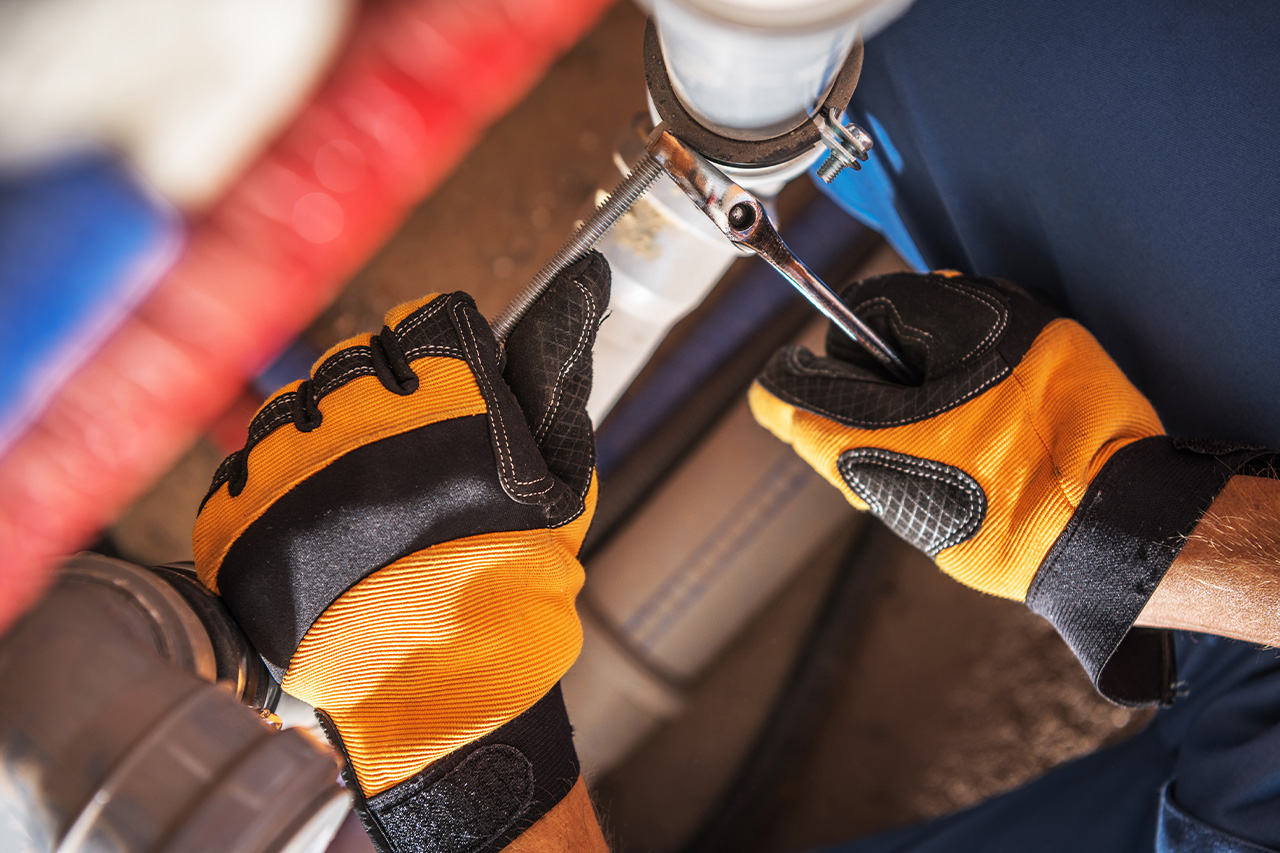
You should be. Some plumbers still dig blind — and then dig more if the first guess was wrong. We camera-inspect first, find the exact location and depth of the problem, and only dig where it's actually needed. Many sewer repairs can now be done trenchless — no yard destruction at all.
Reasonable. Many older Union County homes have cast-iron sewer lines that have served 70+ years — and many are reaching end-of-life. Camera inspection tells us condition: structurally sound, deteriorating, or actively failing. Then we plan accordingly — repair sections vs. full replacement.
Sewer work can be expensive — but not always. A simple cleaning and root removal might be a few hundred dollars. A trenchless repair, a few thousand. A full excavated replacement is the highest-ticket option — and only necessary in specific cases. We give you the honest options before any work, with financing available through Wisetack.
Tell them to stop using all water immediately. Then call (973) 900-0430. Sewage backups are health hazards — we dispatch fast, communicate with the tenant professionally, and document everything for your records and insurance.
40+ years of sewer line work in Union County. We know what's under these yards.
We inspect before we dig — every time. You see what we see. No guessing.
We use trenchless repair whenever the line allows. Minimal yard disruption, faster restoration.
NJ Master Plumber #9142. Sewer work is warrantied — if our repair fails, we come back at no charge.
Don’t see your town? call (973) 900-0430
Most repair calls same-day or next-day. No hot water situations and active leaks dispatched 24/7.
Honest answer — you usually don't until we diagnose. The age of the unit, the symptoms, and the condition of the tank all factor in. We tell you both options with pricing when we come out, so you can decide.
Yes. Tankless units have their own common issues — error codes, scale buildup, venting problems, ignition failures. We service all major tankless brands (Rinnai, Navien, Rheem, Bosch).
No — if anything, having a licensed plumber do the work keeps your warranty intact. DIY or handyman repairs are what void warranties. We document the repair for your records.
Often yes, especially in Union County where hard water is common. Sediment buildup is the #1 cause of popping/rumbling sounds. A proper flush can extend a unit's life significantly — and we'll tell you straight if your unit is too far gone for a flush to help.
Often yes, especially in Union County where hard water is common. Sediment buildup is the #1 cause of popping/rumbling sounds. A proper flush can extend a unit's life significantly — and we'll tell you straight if your unit is too far gone for a flush to help.