- Mon–Sat 8AM–8PM
- 1374 Stuyvesant Ave, Union NJ 07083
- 24/7 Emergency Line Always Open
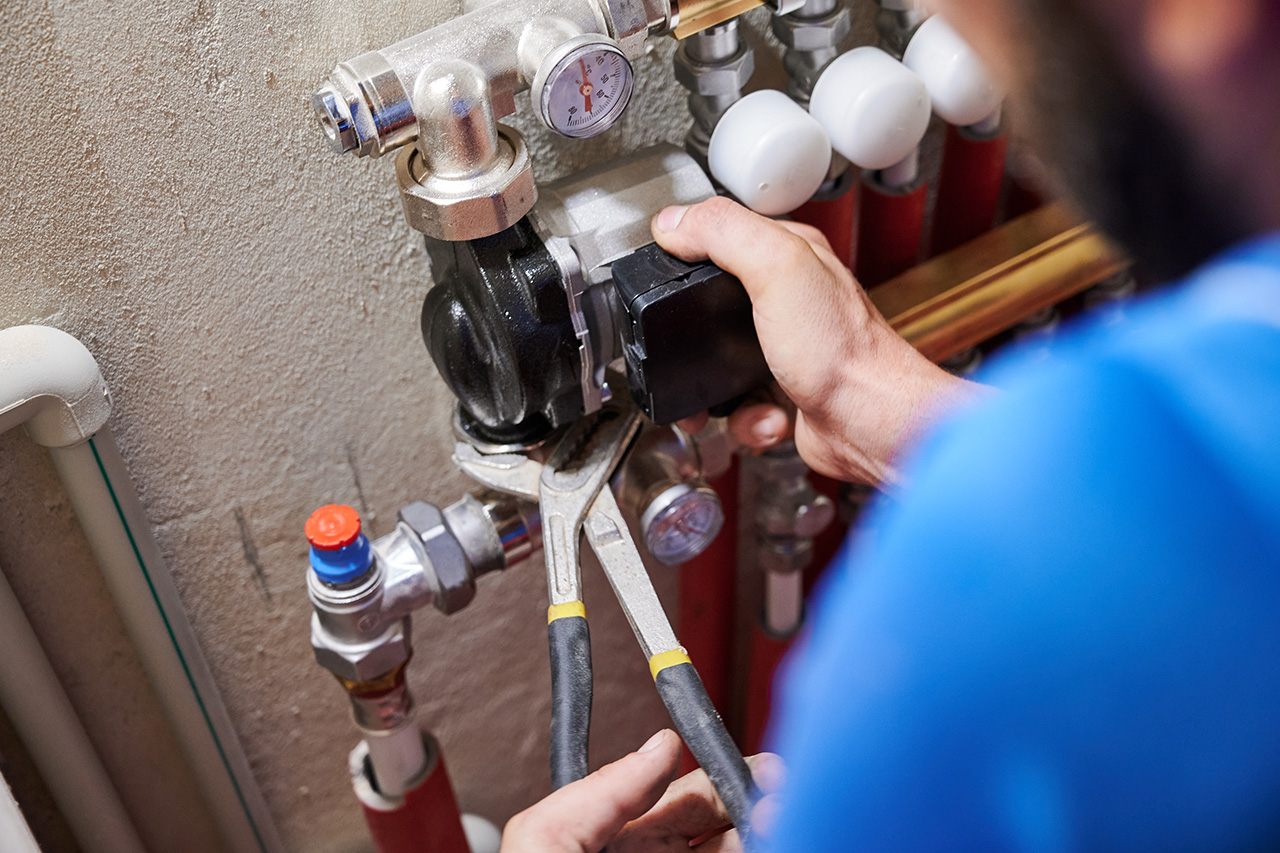
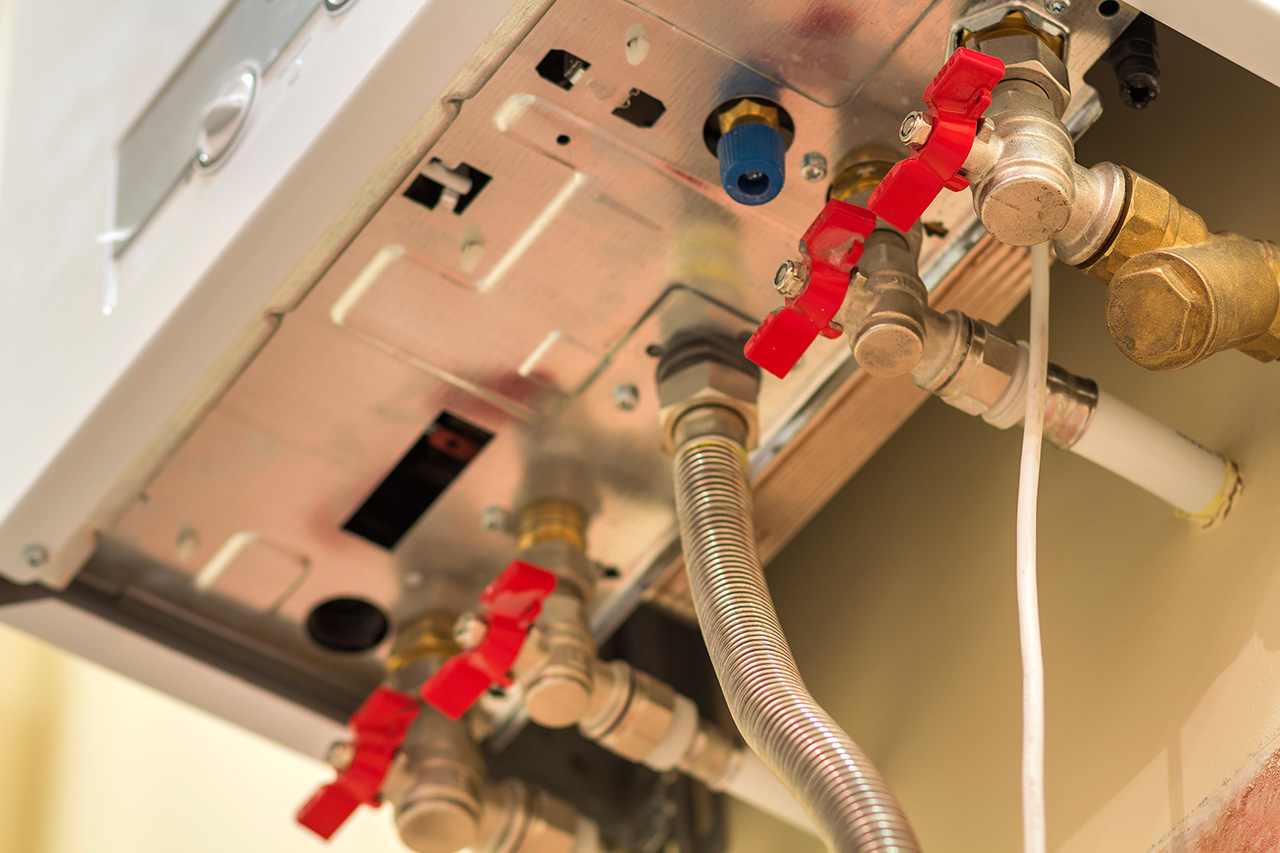
Tank water heaters that get flushed annually and have anode rods replaced last significantly longer than units that don't. We see the difference every week.
Sediment buildup at the bottom of a tank acts as insulation between the burner and the water. Your heater burns more fuel to do the same job. A clean tank runs more efficiently.
A failing T&P valve, a corroded anode rod, or a near-end-of-life tank — all easier to address during a planned visit than after a flood at 6 AM.
Most manufacturer warranties require documented annual maintenance. Skipping it can void coverage. We document every visit for your records.
Fair question. Some plumbers push maintenance because the ticket is easy and recurring. We push it because the math is real — a $200 annual visit typically adds years to a $2,000+ unit. If your heater is already near end-of-life, we'll tell you straight that maintenance is a bandaid and replacement makes more sense.
Almost never. Even if your unit is 10+ years old and has never been maintained, a thorough flush, anode rod check, and tune-up can still extend its life — though we'll be honest with you about what condition it's actually in.
Yes. Most manufacturer warranties (Rheem, Bradford White, Rinnai, etc.) require documented annual maintenance to remain valid. We provide written records of every service visit.
Yes. We do scheduled maintenance for property managers across Union County — single visit per unit, documented, and billed per property or as a portfolio. Helps avoid the 2 AM tenant call about no hot water.
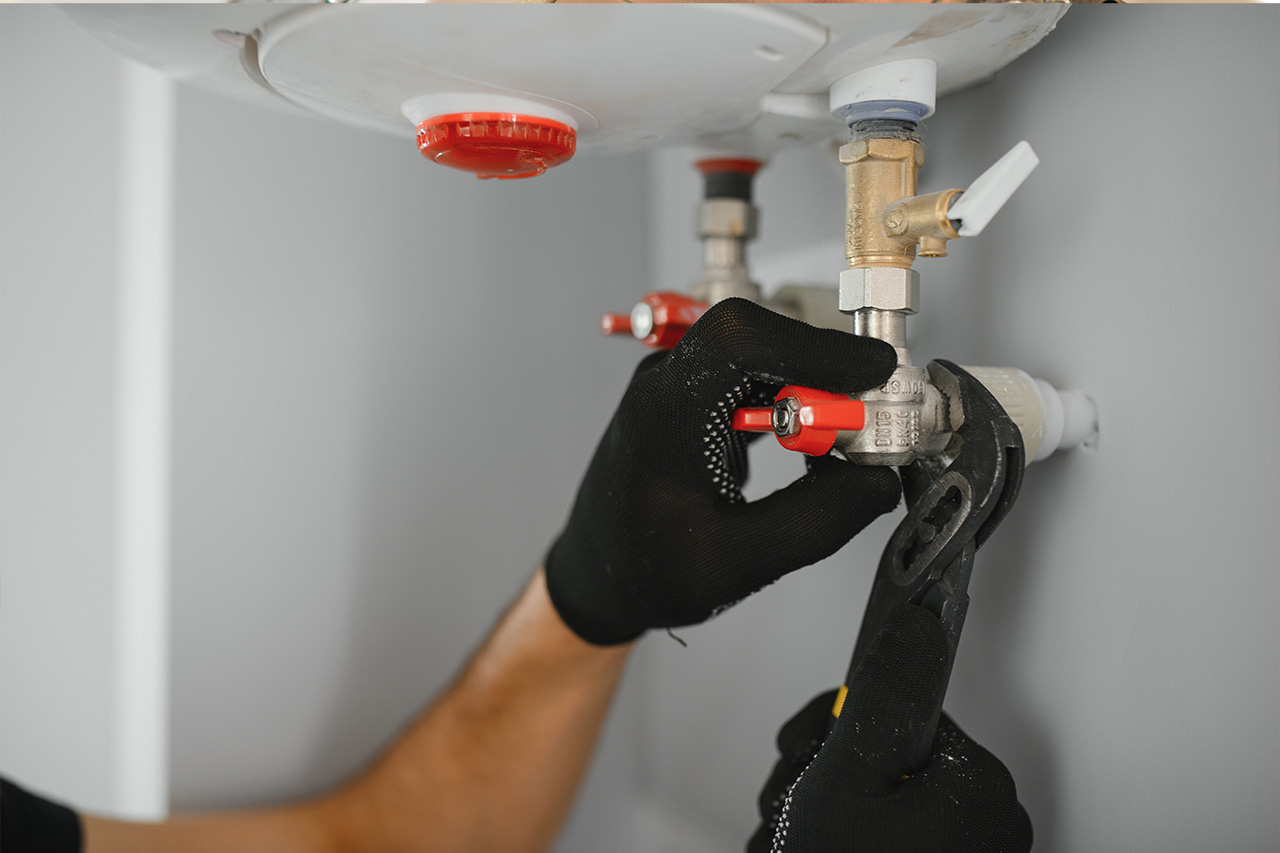
40+ years maintaining water heaters in Union County. We've seen what neglect does — and what proper care extends.
Written service records, photos, and findings — for your warranty, your insurance, or your own records.
Most maintenance visits are 60–90 minutes. We're in and out, no return trips for "just one more thing."
NJ Master Plumber License #9142. Maintenance work is warrantied — if something we touched fails, we come back at no charge.
Don’t see your town? call (973) 900-0430
Annual for most units. Every 6 months for tankless in very hard water areas or tank units older than 8 years. We'll recommend the right schedule based on your unit's age and condition.