- Mon–Sat 8AM–8PM
- 1374 Stuyvesant Ave, Union NJ 07083
- 24/7 Emergency Line Always Open
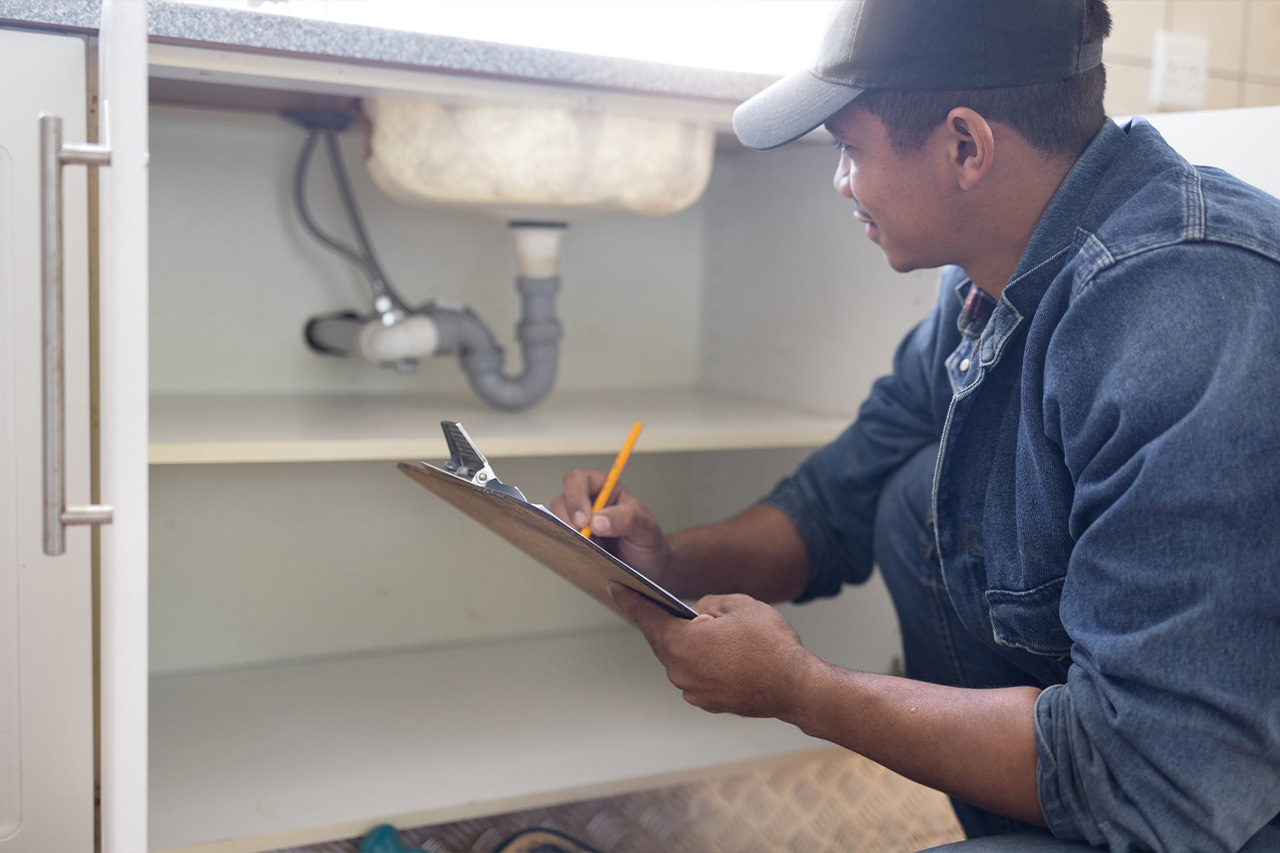
Some moments make a plumbing inspection one of the smartest few hundred dollars you’ll spend. Here are the most common:
A general home inspector looks at plumbing surface-level. We dig deeper — sewer line camera, water pressure testing, water heater age, pipe material in the walls. You walk into closing knowing exactly what you're buying.
Get ahead of the buyer's inspection. Fix what's actually a problem, ignore what isn't, and avoid the last-minute price negotiation that costs thousands.
If your last inspection was over 3-5 years ago — or you've never had one — small issues have probably started. Catch them before they become emergencies.
Heavy rain, flooded basement, or backed-up sewer line? An inspection finds what got damaged and what's at risk.
Between tenants is the right time. We inspect, document, and give you a clear report — useful for the next lease and for insurance.
A real plumbing inspection is more than a walkthrough. Here’s what we cover:
Every faucet, toilet, tub, shower, and sink. Check for leaks, flow, drainage, and seal integrity.
Age, condition, anode rod, sediment, venting, T&P valve. Tell you how many years it has left.
Pipe material (copper, PEX, galvanized, lead), pressure testing, visible corrosion, joint condition.
Flow testing on every drain, check for slow drains, gurgling, vent issues, and signs of partial clogs.
We send a camera through your main sewer line to see root intrusion, cracks, bellies, or collapse — available as add-on.
Test PSI at multiple fixtures, check for pressure regulator issues, identify low-flow problems.
Walls, ceilings, under sinks, around water heater. Document water stains, soft spots, and mold indicators.
Check accessible gas line connections, shutoffs, and signs of corrosion or leaks.
General home inspectors are great at what they do — but they're generalists. They turn on faucets, check water pressure, and look for obvious leaks. They don't run a sewer line camera. They don't test pipe material in the walls. They don't tell you the water heater is on year 14 of a 12-year life. We do.
We understand. Most older Union County homes have some combination of galvanized pipes, cast-iron drains, or aging fixtures. Knowing what's there isn't the same as having to fix it all today. We give you a prioritized report: what's urgent, what's coming in the next 2-5 years, and what's fine as-is. You decide what to do with that information.
Same here. Our inspections are flat-fee. We give you the report. We don't tie repair recommendations to our schedule, and we don't quote on the spot unless you ask. The inspection is the product — what you do next is up to you.
You don’t just get a verbal “looks fine” or “looks bad.” You get a written report you can show your spouse, your real estate agent, your insurance company, or the seller’s agent during negotiation.
Itemized findings with plain-English explanations — not just plumber jargon.
Visual proof of every problem we found. Useful for negotiation or insurance.
Urgent / Soon / Watch / Fine — so you know what to act on now vs. later.
Ballpark numbers for any recommended repairs, so you can plan or negotiate.
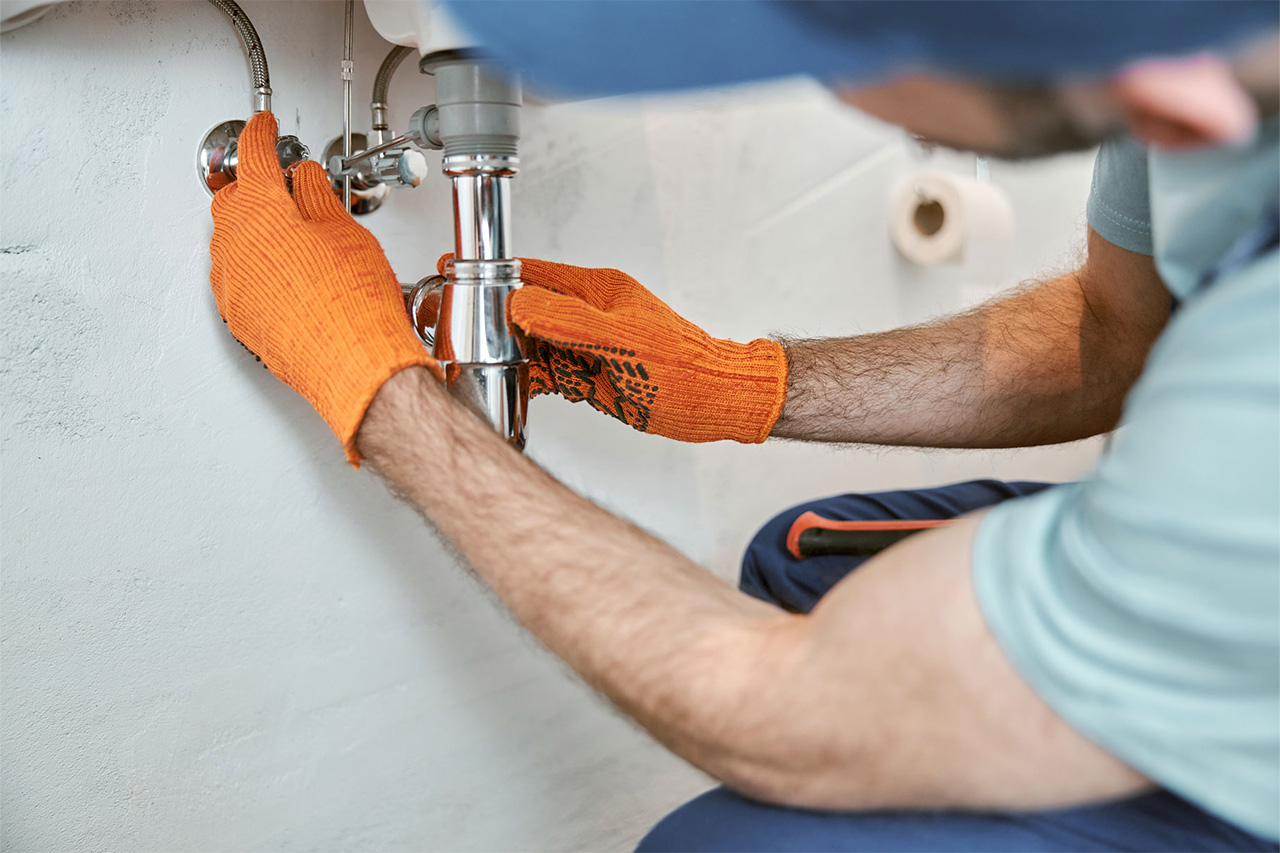
40+ years inspecting Union County homes. We know what's in these walls.
No verbal "looks fine." Documentation you can use.
Inspection is the product. What you do next is up to you.
NJ Master Plumber License #9142. Reports trusted by realtors and insurance.
Don’t see your town? call (973) 900-0430