- Mon–Sat 8AM–8PM
- 1374 Stuyvesant Ave, Union NJ 07083
- 24/7 Emergency Line Always Open
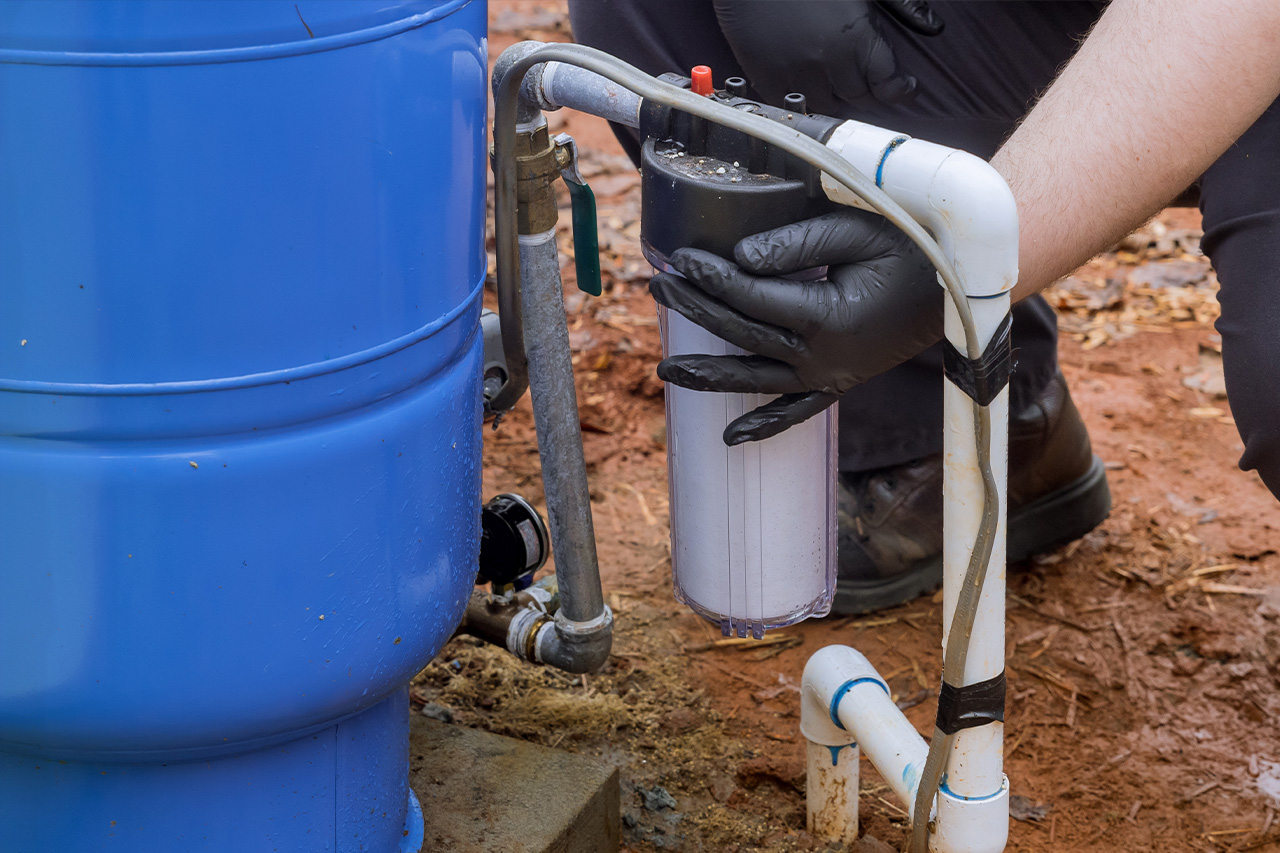
First-time install for new finished basements, additions, or homes that never had one. Includes pit, pump, check valve, and discharge line.
Old pump worn out or failed? Most replacements completed same-day. We stock common pump sizes on the truck.
Float switch issues, clogged impellers, motor problems, discharge line clogs. Most repairs same-visit.
The single most important upgrade after Ida. When power goes out during a storm, your primary pump stops — battery backup keeps the basement dry.
Primary pump + battery backup in one integrated unit. Highest reliability for storm-prone areas.
Most sump pumps fail because they sat idle. We test, clean, and verify yours works before you need it.
Major rain event coming? Test your pump now. If it doesn't run or sounds weird, we can replace it before the rain hits.
Pumps that sit idle for months often seize up. If you can't remember the last time yours kicked on, test it — or call us to do it.
Grinding, rattling, humming without pumping — all signs of a failing motor or impeller. Replace before it fails mid-storm.
Most sump pumps last 7–10 years. Past that, you're on borrowed time. Replacing on your schedule is far cheaper than emergency replacement during flooding.
The lesson of Hurricane Ida: when the power goes, so does your primary pump. If you don't have a battery backup, you're not protected for the storms that actually flood basements.
Pre-purchase: check the pump's age, condition, and whether there's a backup. Many older Union County homes have original pumps that are well past replacement.
Best for: Standard basements with reliable electricity. Submersible pumps sit in the pit (quieter, more powerful). Pedestal pumps sit above (easier to service, less powerful). Most Union County homes have submersible.
Best for: Add-on to existing primary pump. Kicks in automatically when power fails or the primary can't keep up. Critical for storm preparation in flood-prone areas.
Best for: New installs, replacement of failed systems, or storm-anxious homeowners. Integrated unit with both pumps in one pit — highest reliability, lowest maintenance.
Best for: Homes with municipal water (not well water). Uses water pressure instead of battery, so it runs as long as you have water. Slower flow than battery, but no battery replacement needed.
Test it. Pour a bucket of water into the sump pit — the pump should kick on within seconds and pump the water out. If it doesn't, doesn't run smoothly, or makes strange sounds, call us. Better to find out now than during the storm.
Depends on age and condition. If it's over 7 years old, it's living on borrowed time — the motor is wearing, the impeller may be deteriorating, the float switch could fail anytime. A planned replacement costs less than an emergency one — and far less than a flooded basement.
After Ida, that's not a hypothetical anymore. The pumps that failed weren't broken — they didn't have power. A battery backup is a few hundred dollars upfront and the difference between a dry basement and tens of thousands in flood damage. We'll tell you what option fits your budget.
Common — and risky. We do scheduled annual sump pump testing for property managers across Union County. We test every pump, document the condition, and replace failing units before tenants are calling at 2 AM during a storm.
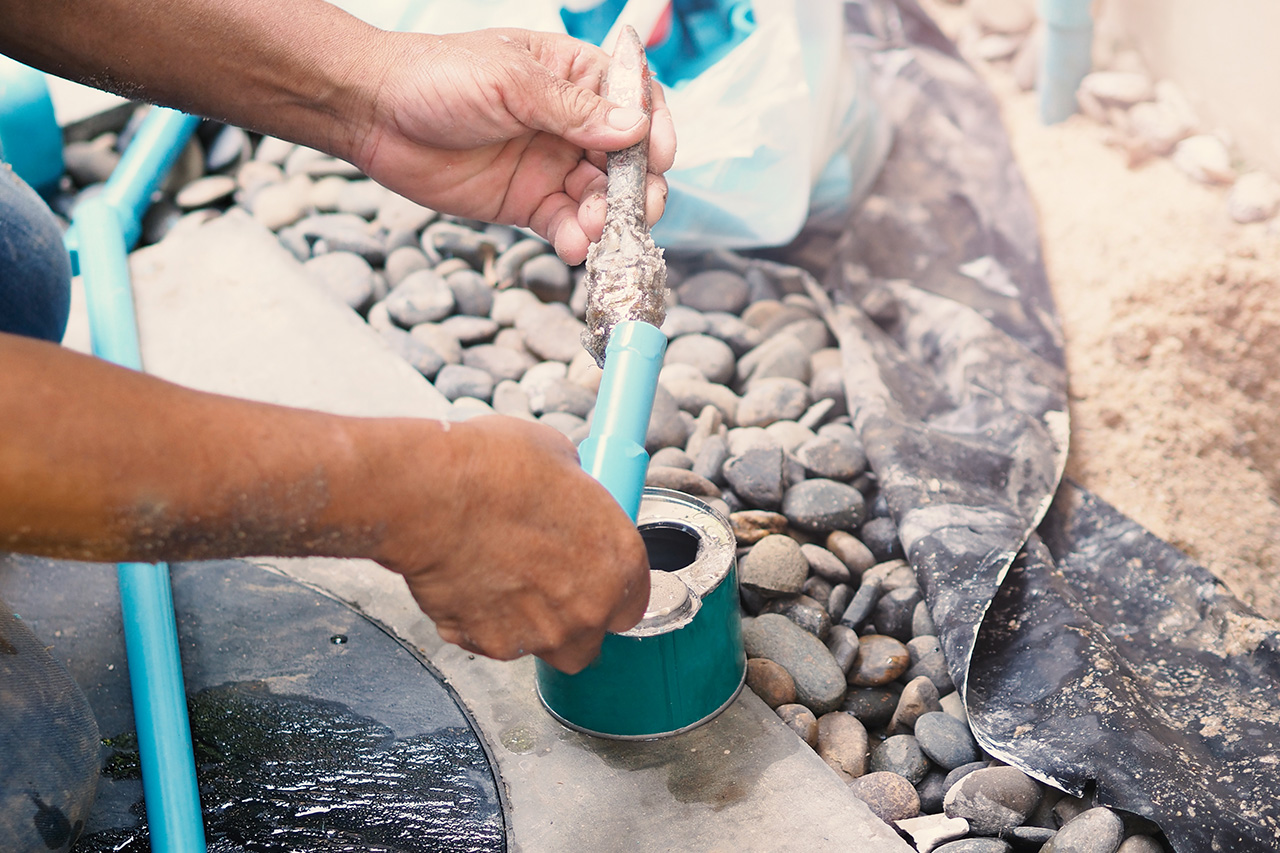
40+ years of sump pump work in Union County. We've seen what fails — and what saves basements.
Common pump sizes and battery backups stocked year-round. Same-day replacement during storm emergencies.
Annual testing, battery backup installation, system upgrades — before the rain hits.
NJ Master Plumber #9142. Pump and installation warrantied. If our pump fails early, we replace at no charge.
Don’t see your town? call (973) 900-0430