You step out of the shower and your sock lands in a cold puddle around the toilet. You wipe it up, but the next day it’s back. Maybe the toilet rocks a little when you sit down, or there’s a faint sewer smell you can’t place. A toilet leaking at the base is one of those problems that looks small but can do real damage under the floor. Most of the time, the cause is a worn-out wax ring.
Continental Plumbers has repaired and replaced toilets in Union County homes since 1985. In this guide, we’ll explain what the wax ring does, the warning signs that it has failed, how to rule out other leaks, and why this is a repair you shouldn’t put off.
What Is a Toilet Wax Ring?
Every floor-mounted toilet sits on top of a drain opening in the floor. That opening ends in a fitting called the closet flange, which is bolted to the floor. Between the bottom of the toilet and the flange sits a thick ring of wax.
When the toilet is set in place, its weight presses the wax into a tight seal. That seal keeps water and sewer gas inside the drain every time you flush. You never see it, and when it’s working, you never think about it.
A wax ring can last for many years. But it only seals once. If the toilet moves, the bolts loosen or the toilet gets lifted, the wax doesn’t spring back. A gap forms, and every flush pushes a little water out under the toilet.
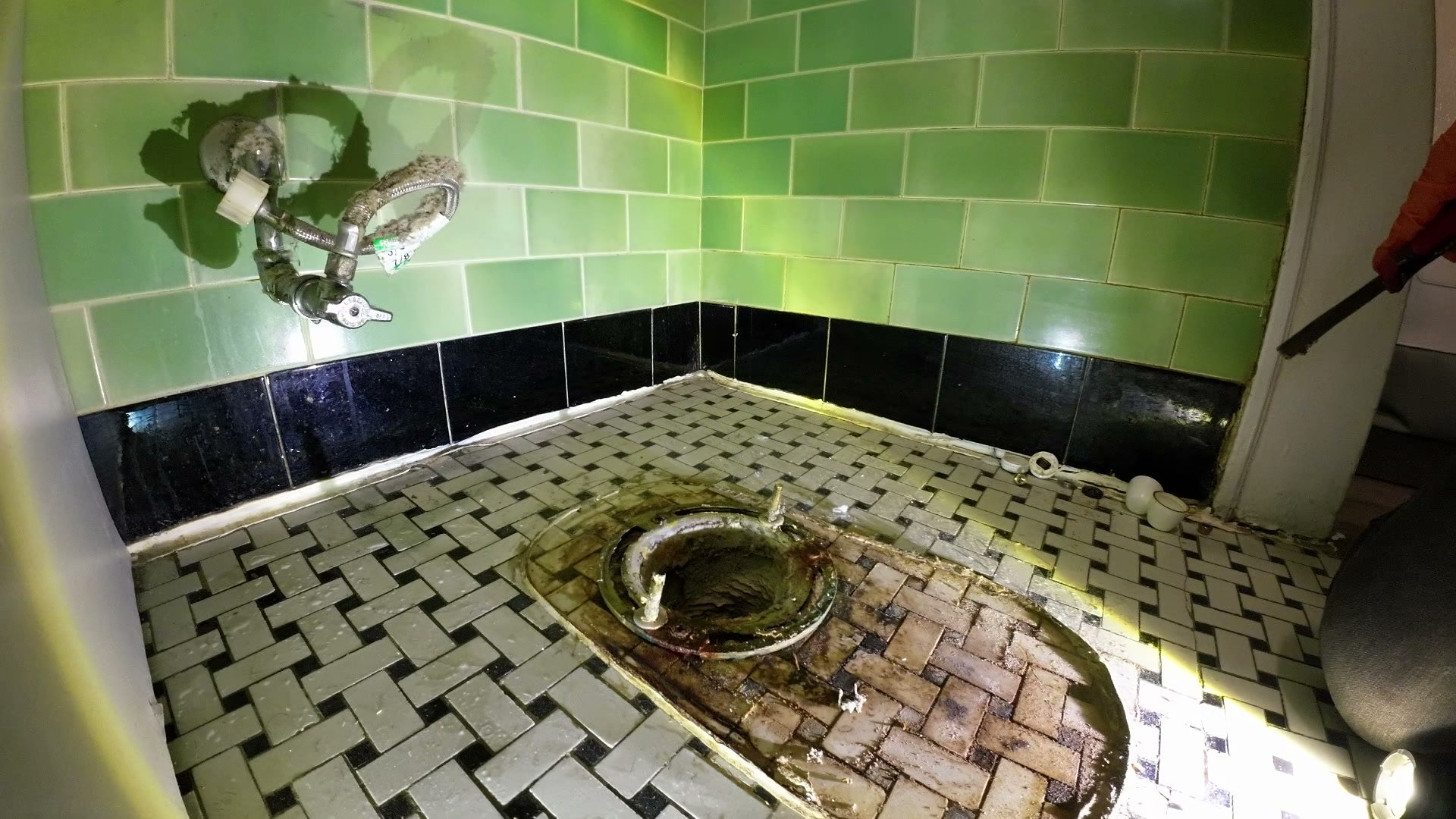
[PHOTO 1]
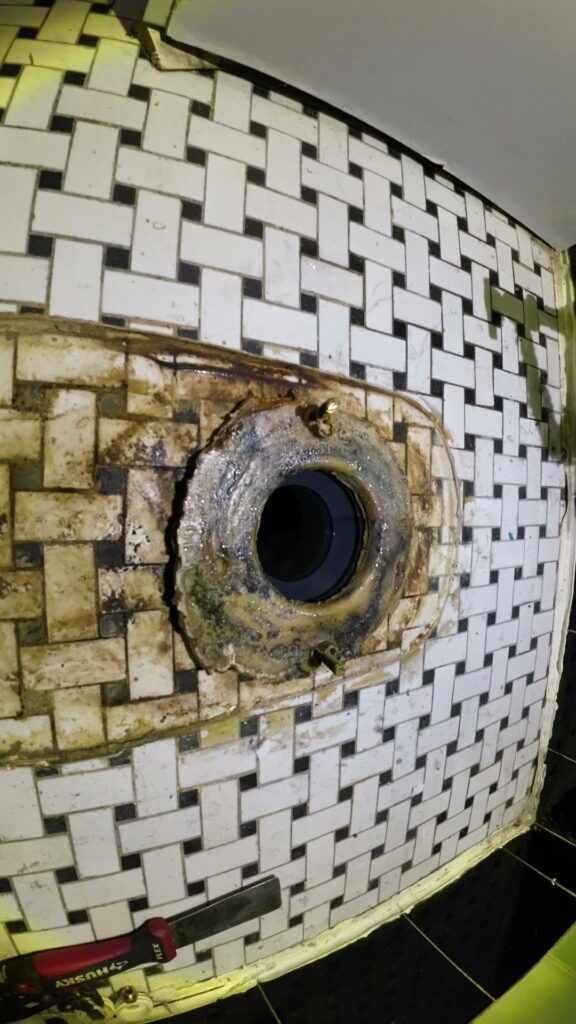
Caption: An old, flattened wax ring on a toilet flange. The stained tile around it shows water had been leaking under the toilet for a long time.
Signs Your Toilet Is Leaking at the Base
Watch for these warning signs:
- Water on the floor around the toilet, especially right after you flush.
- The toilet rocks or shifts when you sit on it. Movement is the number one enemy of a wax seal.
- A sewer smell in the bathroom that doesn’t go away after cleaning. A broken seal can let sewer gas in even when no water is leaking.
- Stained or loose tiles, or dark grout around the base.
- A soft or spongy floor near the toilet.
- A water stain on the ceiling below the bathroom. If you see one, read our guide on water stains on your ceiling.
Rule Out Other Leaks First
Not every puddle near the toilet comes from the wax ring. Before you decide, check these other common sources:
- Condensation. In humid weather, cold water in the tank makes the outside “sweat” and drip onto the floor. If the tank is wet all over, this may be the cause.
- The supply line and shut-off valve. Run a dry paper towel along the water line and the valve behind the toilet. Old valves often drip. Our post on why the toilet shut-off valve gets rusty explains what to look for.
- The tank bolts. Check under the tank where it connects to the bowl. Rusty bolts or a worn gasket can drip down the back of the bowl.
- A crack in the bowl or tank. Look closely with a flashlight. A hairline crack can leak slowly.
If all of those are dry and the water shows up at the base after a flush, the wax ring is the likely culprit.
Why a Bad Wax Ring Shouldn’t Wait
A small leak at the base of a toilet doesn’t stay small. The water isn’t just clean tank water. It comes from the bowl and the drain, so it carries bacteria. It also soaks down into places you can’t see.
- It can rot the wood subfloor and the joists under the toilet.
- It can loosen tile and stain grout for good.
- It can leak through to the ceiling of the room below.
- It can let sewer gas into your home.
One more thing: running a bead of caulk around the base won’t fix a bad wax ring. It only hides the leak, so the water stays trapped under the toilet and the damage keeps going where you can’t see it.
How a Plumber Fixes a Toilet Leaking at the Base
A wax ring can’t be patched. The toilet has to come up. Here is what a typical repair looks like:
- Shut off the water, drain the tank and bowl, and disconnect the supply line.
- Remove the bolts and lift the toilet off the flange.
- Scrape off all of the old wax and clean the flange and floor.
- Inspect the flange. If it’s cracked, rusted or sitting too low, it gets repaired or replaced.
- Check the floor around the drain for soft or damaged wood.
- Set a new wax ring (or a wax-free seal), set the toilet, and tighten the bolts evenly so the toilet doesn’t rock.
- Reconnect the water, flush several times and check for leaks.
[PHOTO 2]
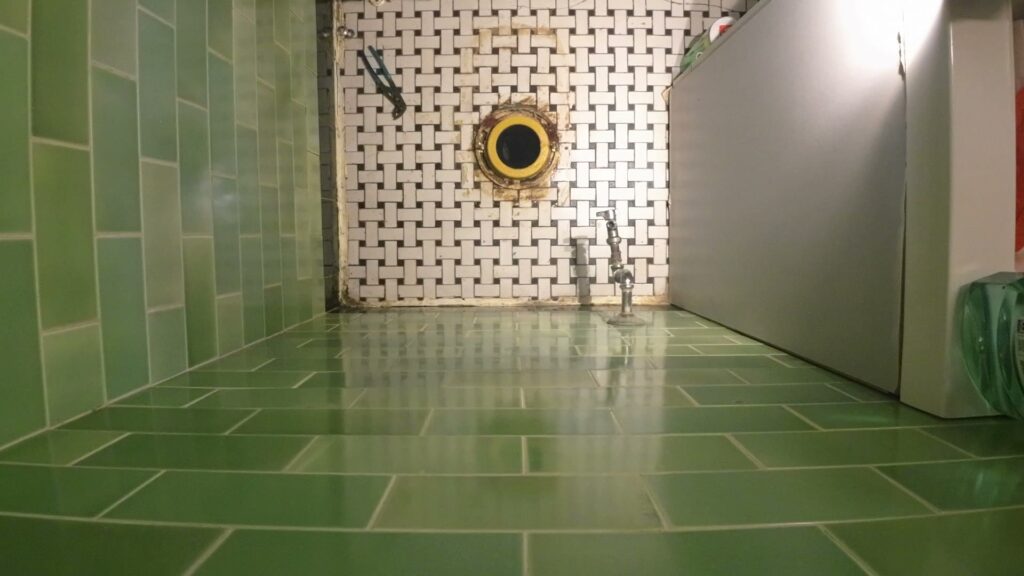
Caption: A new wax ring set on the cleaned flange, ready for the toilet to be set back in place.
Sometimes it makes more sense to replace the whole toilet at the same time. If the toilet is old, cracked, runs all the time or uses a lot of water per flush, putting a new one on a fresh seal can be the better choice. We’ll tell you honestly which option fits.
Wax Ring Problems in Older Union County Homes
Many homes in Elizabeth, Union, Hillside and Linden were built between the 1920s and the 1960s. In these bathrooms we often find a few extra issues when we pull up a toilet:
- Old cast iron or lead drain connections with flanges that are corroded or cracked.
- A flange that sits too low because new tile was laid over the old floor. A standard wax ring can’t seal the gap, so the flange needs a spacer or an extender.
- Subfloors that have been wet for years without anyone knowing.
All of these are fixable, as long as they’re handled while the toilet is off.
[PHOTO 3]
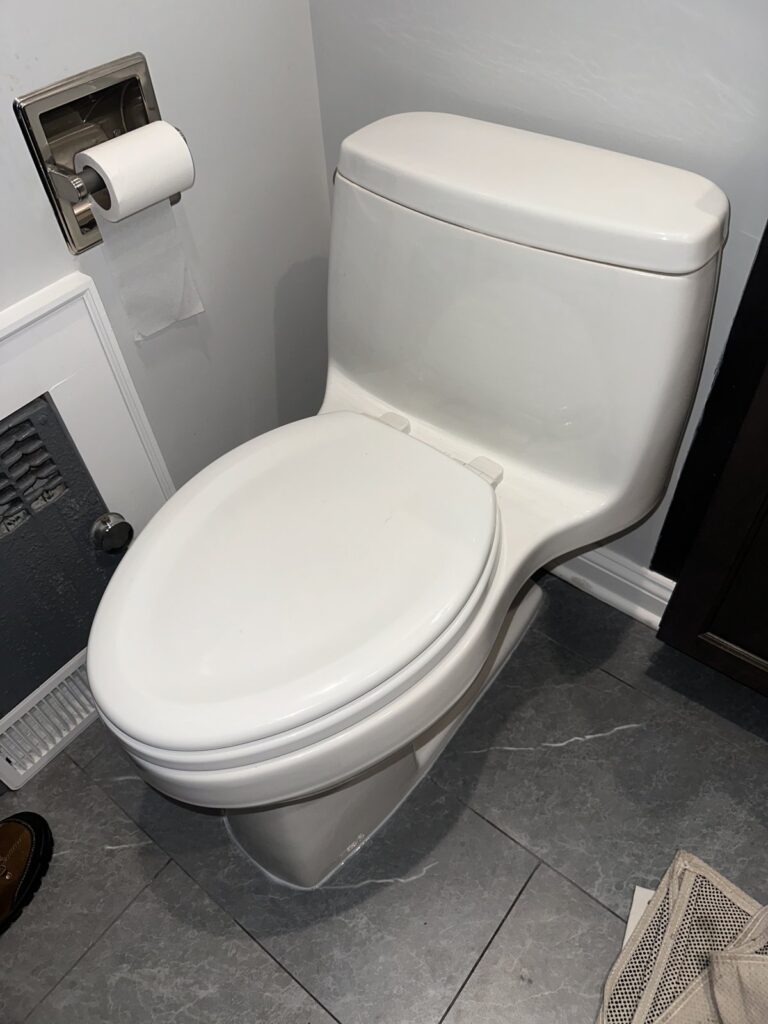
Caption: The finished job: a new toilet set on a fresh seal, tight to the floor with no rocking.
When to Call a Plumber
Call a licensed plumber if:
- Water keeps showing up at the base of the toilet after you flush.
- The toilet rocks, even after you’ve checked the bolts.
- You smell sewer gas in the bathroom.
- The floor near the toilet feels soft, or there’s a stain on the ceiling below.
- Water is overflowing and you can’t stop it. Turn off the shut-off valve behind the toilet, or the main water shut-off, and follow our guide on what to do in a plumbing emergency.
Toilet Leaking at the Base FAQ
Can I just tighten the toilet bolts to stop the leak?
If the toilet is a little loose, snugging the bolts can stop it from rocking. But if the wax seal is already broken, tightening won’t reseal it. Overtightening can also crack the porcelain, so go easy.
How long does a toilet wax ring last?
A wax ring can last for decades if the toilet stays solid and never moves. It usually fails when the toilet starts rocking, gets lifted for another repair, or the flange underneath breaks down.
Can I still use a toilet that’s leaking at the base?
It’s best not to. Each flush pushes more dirty water under the floor. If you have another bathroom, use that one until the toilet is repaired.
Need Help With a Leaking Toilet?
Continental Plumbers has provided trusted plumbing and heating service in Union County since 1985 (NJ License #9142). We repair and replace toilets, wax rings and flanges in Elizabeth, Union, Hillside, Roselle, Linden, Cranford, Westfield and nearby towns, with same-day service available.
📞 Call (973) 900-0430 or learn more about our toilet repair in Union, NJ.