Every winter, the first hard freeze in New Jersey brings the same phone calls: “No water coming out of the kitchen faucet” and “There’s water pouring through the basement ceiling.” A frozen pipe can split open and release hundreds of gallons of water once it thaws, and it almost always happens on the coldest night of the year, when plumbers are busiest.
The good news: most frozen pipes are preventable, and the best protection is a heating system that runs reliably all winter. Continental Plumbers has been fixing boilers and burst pipes in Union County since 1985. Here are the 4 steps we recommend to prevent frozen pipes in NJ homes before the freeze arrives.
Why Pipes Freeze (and Why Older NJ Homes Are at Risk)
Water expands when it freezes. Inside a pipe, that ice creates pressure between the blockage and the closed faucet, and that’s where the pipe splits. The risk goes up fast once outdoor temperatures stay around 20°F or below, especially overnight and when it’s windy.
Pipes most likely to freeze are the ones running along exterior walls, through unheated basements, crawl spaces and garages, under kitchen and bathroom sinks on outside walls, and near basement windows or where the sill plate meets the foundation. Many homes in Elizabeth, Union and Hillside were built between the 1920s and 1960s, with less insulation and more drafty gaps than newer houses, so these spots get very cold.
4 Steps to Protect Your Pipes Before the Freeze
1. Make Sure Your Boiler Is Ready (and Keep the Heat On)
Your heating system is your first line of defense. When a boiler shuts down on a 10°F night, the house cools quickly and pipes on outside walls can freeze within hours.
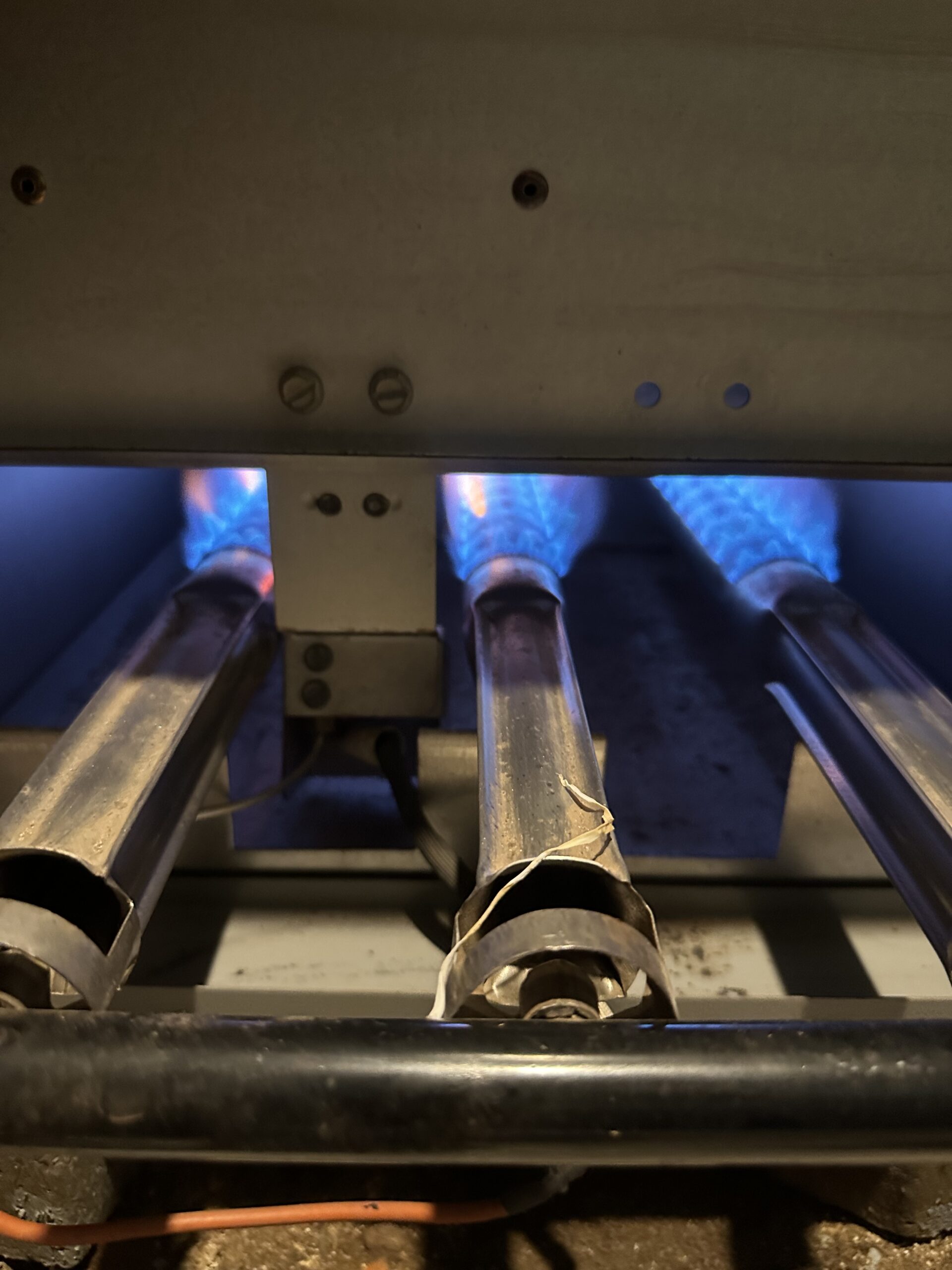
- Get a boiler tune-up before the cold sets in. A technician checks the burner, safety controls, pressure (hot water systems) or water level and low-water cutoff (steam systems), so small problems don’t turn into a no-heat call in January. Learn more about our boiler maintenance service.
- Never set the thermostat below 55°F, even when you’re at work or away for the weekend.
- Watch for warning signs such as cold radiators, banging or gurgling, short cycling or frequent pilot outages. Our guide to common boiler problems explains what to check.
- Know your system. Steam and hot water boilers have different needs. Not sure which you have? Read steam vs. hot water boilers: how to tell.
2. Insulate and Seal the Weak Spots
- Put foam pipe insulation sleeves on exposed pipes in the basement, crawl space, garage and attic. They’re inexpensive and sold at any hardware store.
- Seal drafts with caulk or spray foam around the sill plate, dryer vents, basement windows and anywhere pipes or cables go through an outside wall. Cold air leaking onto a pipe is often what freezes it.
- For pipes that freeze every year, a UL-listed heat cable installed per the manufacturer’s instructions can help. A plumber can also reroute a problem pipe away from an exterior wall.
3. Shut Off and Drain Outdoor Water Lines
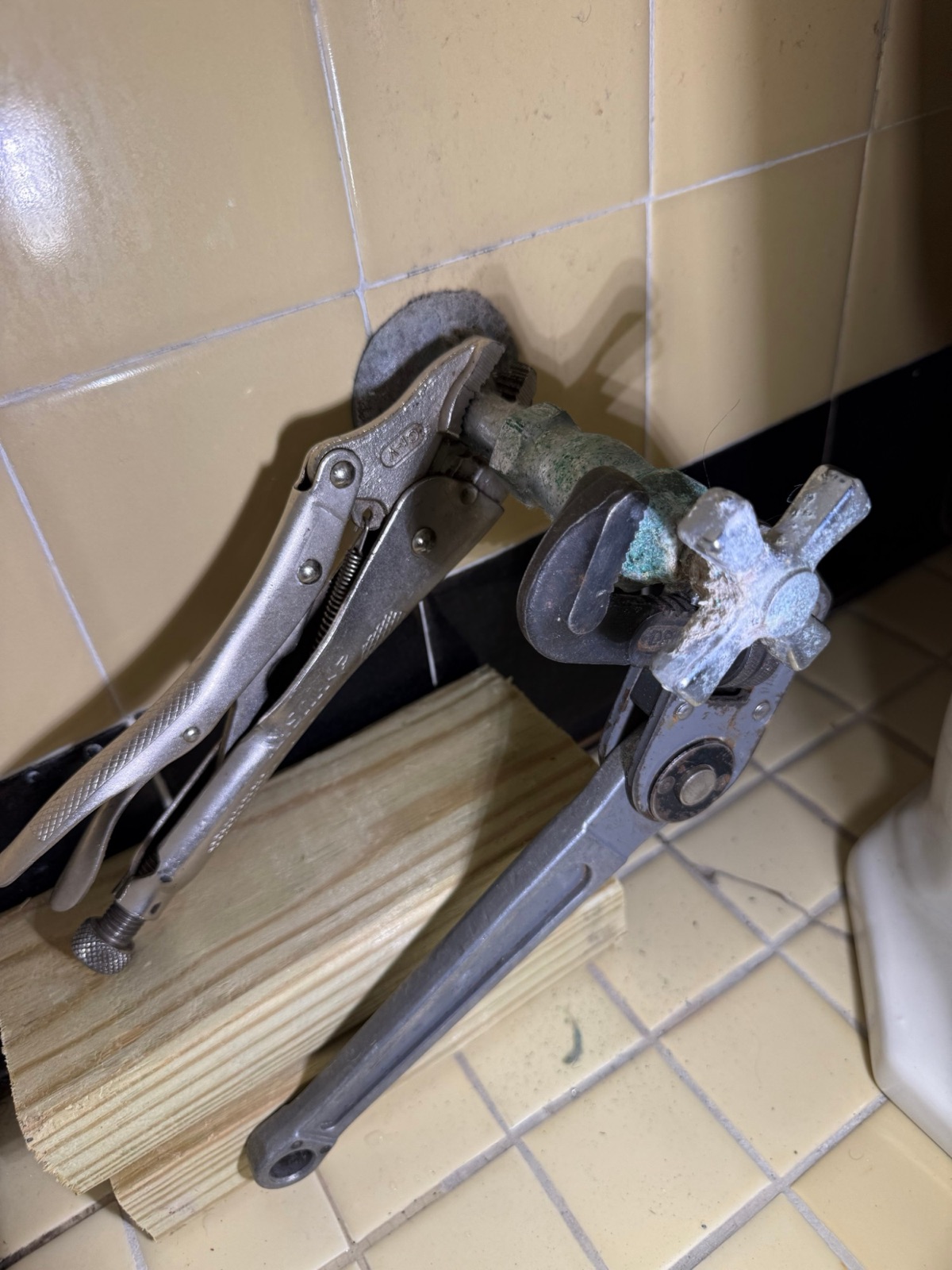
If you haven’t already, close the inside shut-off valve for each outdoor faucet, open the outdoor faucet to drain it, and disconnect garden hoses. Drain irrigation lines too. A hose left connected traps water in the faucet, and it can freeze and crack the pipe inside the wall, where you won’t see the leak until spring. Our fall plumbing checklist walks through this in 15 minutes.
4. Follow a Cold-Night Routine
When the forecast drops into the teens or below:
- Let faucets on outside walls drip, hot and cold. Moving water is much harder to freeze, and an open faucet relieves pressure if ice does form.
- Open the cabinet doors under kitchen and bathroom sinks so warm air reaches the pipes (move cleaning products out of reach of kids and pets).
- Keep the garage door closed if there are water lines in the garage.
- Keep interior doors open so heat circulates to colder rooms and the basement.
- Know where your main water shut-off valve is, and make sure it turns, before you need it.
Going Away This Winter?
Leave the heat at 55°F or higher, ask a neighbor to check the house every day or two (especially if the heat goes out), and consider shutting off the main water valve before you leave. A smart thermostat or a simple low-temperature alarm that texts you when the house gets cold can save you from coming home to a flooded basement. Have your boiler serviced before the trip, not after.
Think a Pipe Is Frozen? Do This
If a faucet only trickles or gives nothing on a freezing morning, a pipe is likely frozen. Keep the faucet open and warm the suspected section gently with a hair dryer, space heater or warm towels, starting from the faucet end and working back. Never use an open flame or torch. If you can’t find or reach the frozen section, or the pipe has already cracked, shut off the main water valve and call a plumber. Our guide to the first 10 minutes of a plumbing emergency shows exactly what to do.
If the heat itself is out, that’s the real emergency: the longer the house is cold, the more pipes are at risk. We offer emergency boiler service for exactly this situation.
Frozen Pipes FAQ
At what temperature do pipes freeze in New Jersey?
Pipes in unheated or poorly insulated areas are at risk once outdoor temperatures stay around 20°F or below, especially for several hours overnight. Wind chill and drafts make it happen sooner.
Should I let my faucets drip at night?
Yes, on very cold nights, for faucets on exterior walls or in rooms that get cold. A slow drip of hot and cold water uses little water and can prevent a costly burst pipe.
Can boiler pipes freeze too?
Yes. Heating pipes and radiators in unheated areas, such as an addition, enclosed porch or crawl space, can freeze if the boiler shuts off or a zone stops calling for heat. That’s one more reason to keep the system tuned up and the thermostat at 55°F or higher.
Get Your Home Ready Before the Freeze
Continental Plumbers has provided trusted plumbing and heating service in Union County since 1985 (NJ License #9142). We serve Elizabeth, Union, Hillside, Kenilworth, Roselle Park and nearby towns. Book a boiler tune-up now, before the first deep freeze, and head into winter with heat you can count on.
📞 Call (973) 900-0430 or schedule boiler maintenance online.