The leaves are turning, and in a few weeks the first hard freeze will hit Union County. Most of the frozen pipes, flooded basements and burst hose bibs we fix every winter could have been prevented with a little fall plumbing maintenance done in October.
The good news: you don’t need tools or a free weekend. Continental Plumbers has served New Jersey homeowners since 1985, and here are the 5 plumbing checks we recommend every fall. Together they take about 15 minutes.
5 Plumbing Checks You Can Do in 15 Minutes
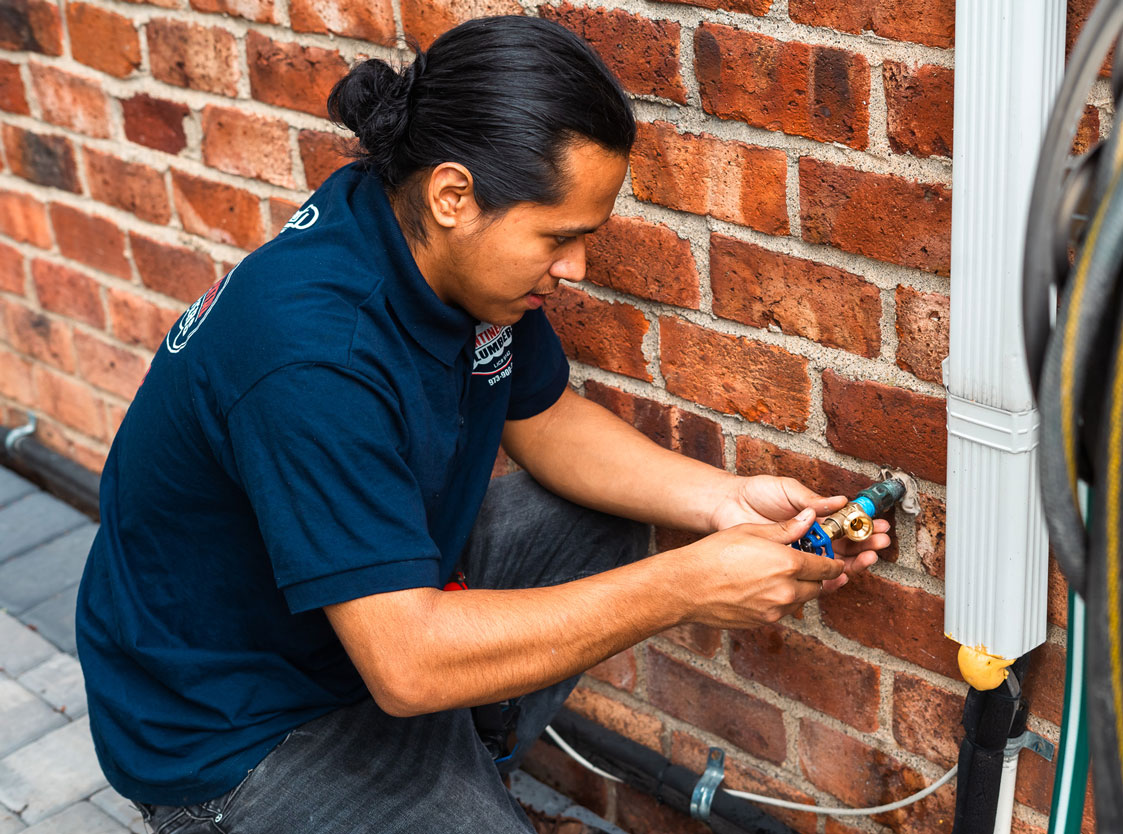
1. Disconnect Garden Hoses and Shut Off Outdoor Faucets (3 minutes)
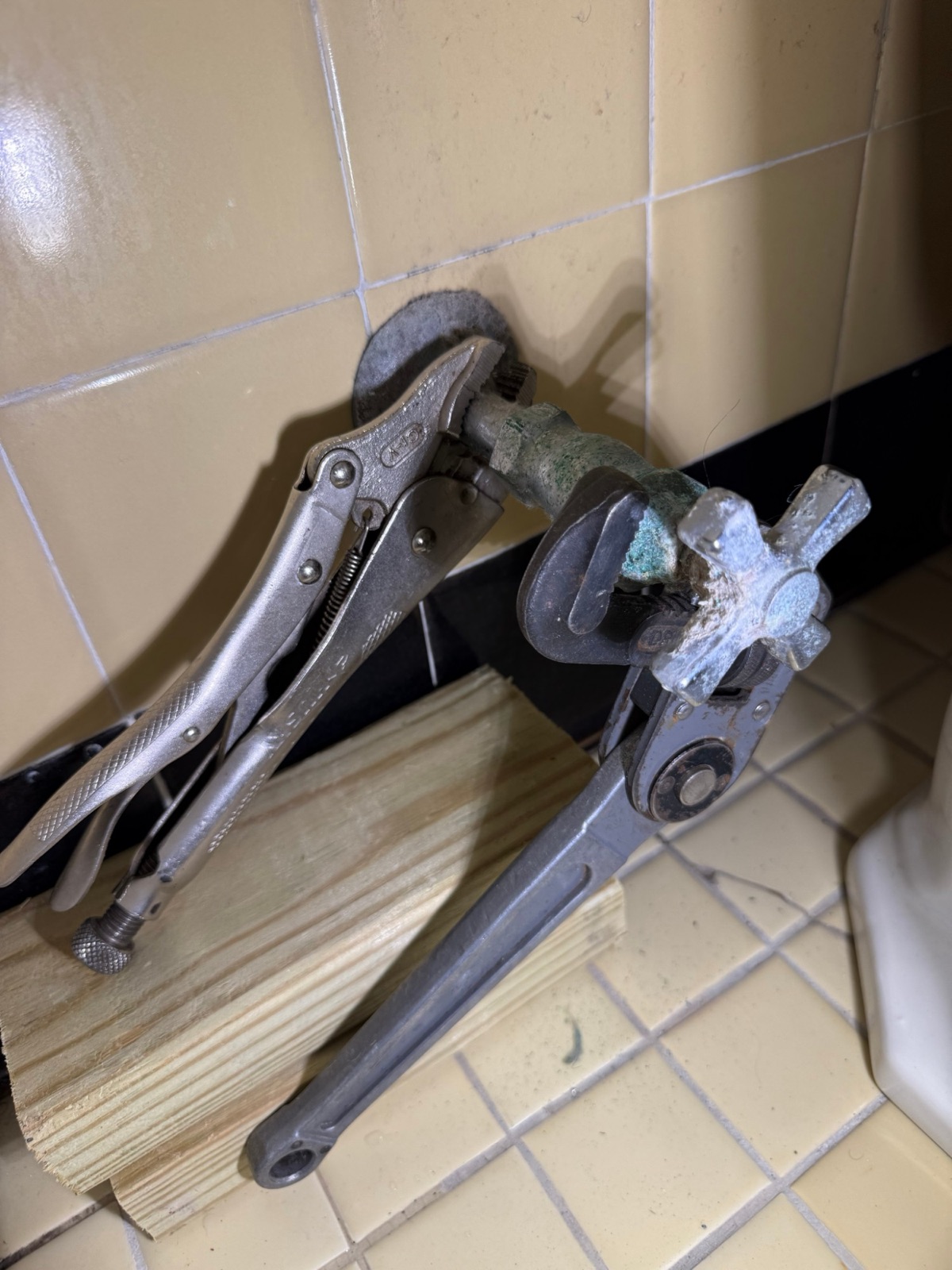
A hose left connected traps water inside the outdoor faucet (the hose bib). When that water freezes, it can crack the pipe inside your wall, and you won’t notice until spring when you turn it on and water pours into the basement.
- Disconnect, drain and store every garden hose.
- If your outdoor faucet has a separate shut-off valve inside the house, close it, then open the outdoor faucet to let the line drain.
- Even “frost-free” faucets can freeze if a hose is left attached.
2. Test Your Sump Pump (3 minutes)
Fall rain and nor’easters are hard on New Jersey basements. Slowly pour a bucket of water into the sump pit. The pump should turn on by itself, empty the pit, and shut off. If it hums but doesn’t pump, runs nonstop, or doesn’t start at all, get it looked at before the next big storm. Our sump pump service covers repair, replacement and battery backup systems.
3. Look Over Your Water Heater (3 minutes)
Your water heater works harder in winter because the water coming into your house is colder. Take a quick look:
- Any water, rust or white crust around the base or the pipe connections?
- Popping or rumbling sounds while it heats? That usually means sediment buildup in the tank.
- Is the temperature set to about 120°F? That’s hot enough for most homes and saves energy.
If the tank hasn’t been flushed in over a year, fall is the right time for water heater maintenance.
4. Check for Hidden Leaks (3 minutes)
Open the cabinets under your kitchen and bathroom sinks and feel the pipes and the cabinet floor for moisture. Look around toilets for water on the floor. Then try the water meter test:
- Make sure no one is using water and nothing is running (dishwasher, washing machine, ice maker).
- Look at your water meter. If the small leak indicator (often a triangle or star) is spinning, water is leaking somewhere.
A slow leak you can’t see can waste thousands of gallons and rot floors and framing over time. If the meter says you have a leak but you can’t find it, our water leak detection service can pinpoint it without tearing open walls.
5. Insulate Exposed Pipes and Find Your Main Shut-Off (3 minutes)
Walk through the basement, garage and crawl space. Any water pipe that runs along an outside wall or through an unheated space is at risk of freezing. Foam pipe sleeves from the hardware store cost a few dollars and slip on in seconds.
While you’re down there, find your main water shut-off valve and make sure it turns. If a pipe ever bursts, knowing where it is can be the difference between a small cleanup and a flooded basement. In many of the older homes in Elizabeth and Union, the original valve is stiff or corroded. If yours won’t turn, have it replaced before you need it.
3 Fall Plumbing Jobs Worth Scheduling Before Winter
The 15-minute checks cover the basics. These three are best left to a licensed plumber:
- Sewer line camera inspection. Tree roots grow toward sewer lines in the fall looking for moisture, and many Union County homes still have older clay or cast iron lines. A video camera inspection shows problems before they back up into your basement.
- Drain cleaning before the holidays. Thanksgiving is one of the busiest days of the year for clogged kitchen drains. If your drains are already slow, schedule drain cleaning now. And please don’t pour turkey grease down the sink!
- A whole-home plumbing inspection. If your home is older or you’ve never had one, a plumbing inspection checks pipes, valves, fixtures and your water heater all at once.
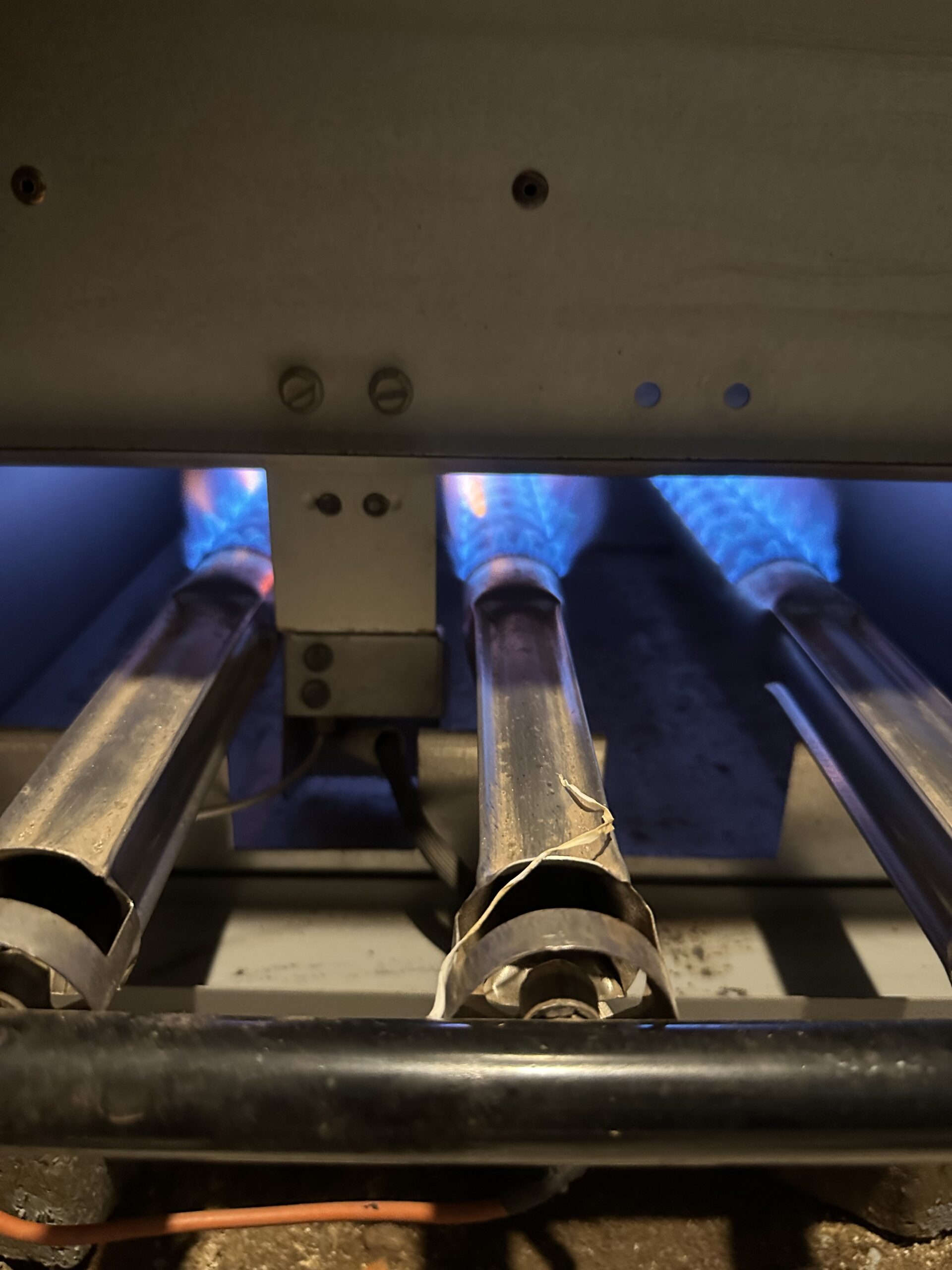
Have a boiler? Heating is the other half of fall prep. See our fall boiler startup checklist, and if it’s already giving you trouble, read boiler not heating? 6 common problems.
Fall Plumbing Maintenance: Quick FAQ
When should I winterize my outdoor faucets in New Jersey?
Before the first hard freeze, which usually arrives in late October or November in Union County. Doing it in early to mid October is a safe bet.
At what temperature do pipes freeze?
Pipes in unheated or poorly insulated areas are at risk when outdoor temperatures drop to about 20°F or below, especially for several hours overnight. Insulating exposed pipes and keeping the heat on (at least 55°F) even when you’re away helps prevent it.
How often should I have my plumbing inspected?
Once a year is a good rule for most homes, and fall is an ideal time because it catches problems before winter puts extra strain on your pipes, water heater and sewer line.
Need Help Getting Your Plumbing Ready for Winter?
Continental Plumbers has provided trusted plumbing service in Union County since 1985 (NJ License #9142). We serve Elizabeth, Union, Hillside, Kenilworth, Roselle Park and nearby towns. If any of these checks turned up a problem, we can fix it before it turns into a winter emergency.
📞 Call (973) 900-0430 or schedule plumbing repair online.