In Union County, the first real cold night usually arrives in late October or early November, and that’s when the “I turned the heat on and nothing happened” calls start. Most of them can be avoided with a little fall prep and professional boiler maintenance in NJ.
Continental Plumbers has serviced hot water and steam boilers across Union County since 1985. Here’s the checklist we recommend every fall.
Your 10-Step Fall Boiler Startup Checklist
1. Book a Professional Tune-Up Early
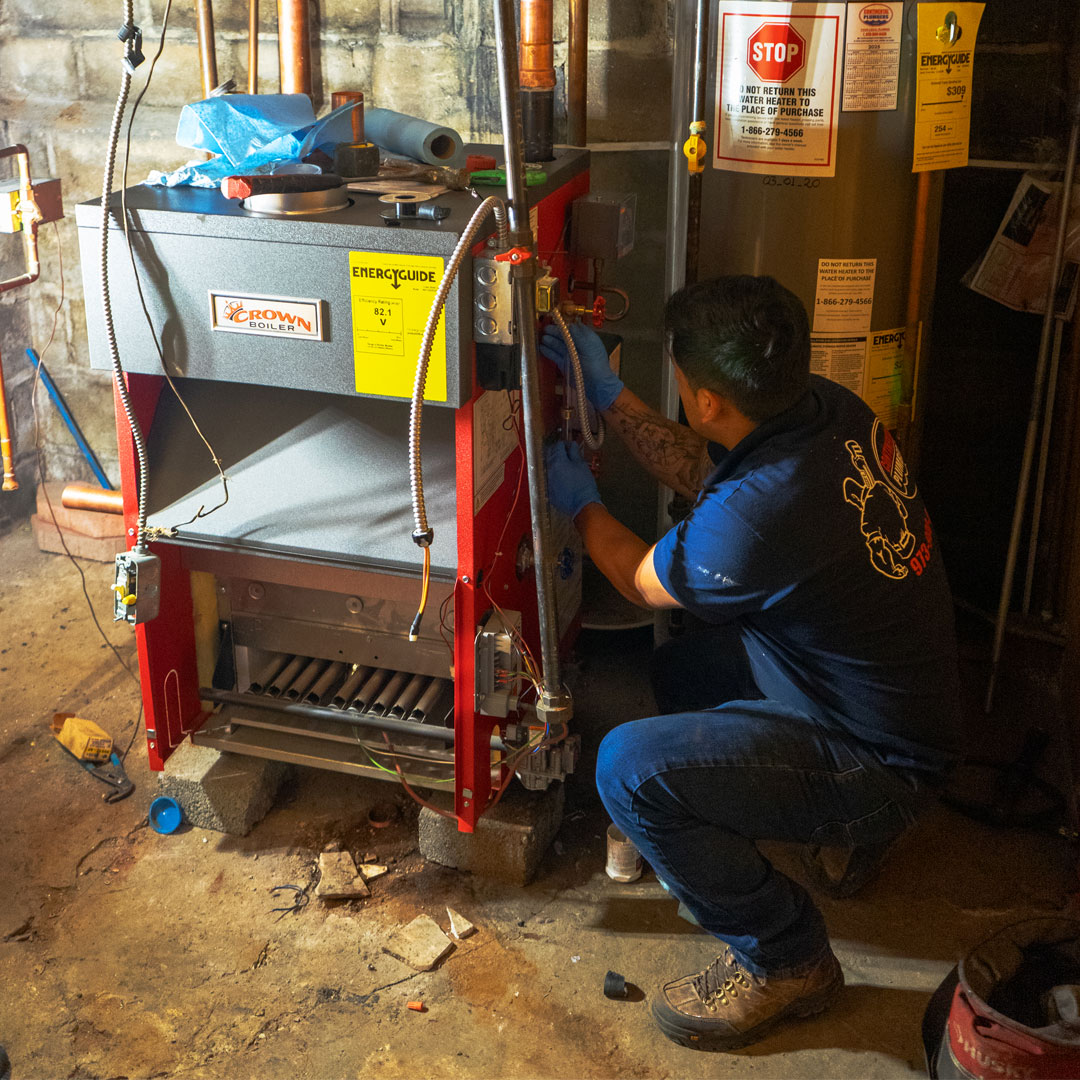
This is the most important step. A licensed technician will clean the burner, test the safety controls, check combustion and venting, and catch worn parts before they fail. Schedules fill up fast once the temperature drops, so book in September or early October. See what’s included in our boiler maintenance service.
2. Clear the Area Around the Boiler
Move boxes, paint, cleaning products and anything flammable at least 3 feet away. Your boiler needs air to burn safely.
3. Test Your CO and Smoke Detectors
Press the test button and replace the batteries. Your gas boiler is a fuel-burning appliance, so working carbon monoxide alarms near sleeping areas are a must. Replace any detector older than 7 to 10 years.
4. Check the Pressure or Water Level
Hot water boilers should read about 12 to 15 PSI when cold. Steam boilers should show water about halfway up the sight glass. If you see no water, don’t fire the boiler. Call a professional.
5. Bleed Radiators or Check Steam Vents
Trapped air causes cold spots and gurgling in hot water systems. Bleed each radiator until water comes out. In the older steam systems common in Elizabeth and Union homes built between the 1920s and 1960s, check that the radiator air vents aren’t stuck, hissing or spitting water. Rooms that are always cold usually need radiator repair.
6. Look for Leaks and Rust
Check the boiler and pipes for puddles, drips, crusty fittings or rust streaks. A small leak now gets worse once the system runs all winter.
7. Test the Thermostat
Replace the batteries, switch to “Heat,” and raise the setting a few degrees. The boiler should start within minutes. If it doesn’t, make sure the boiler’s service switch is on before calling for help.
8. Inspect the Flue and Chimney
The flue pipe should be firmly connected and free of rust holes, and the chimney or vent outside should be clear of nests and debris. Soot or a burning smell near the boiler is a warning sign.
9. Have the Safety Controls Tested
The low-water cutoff, pressure relief valve and expansion tank protect your boiler and your home. Have them tested by a licensed technician every year.
10. Run a Test Cycle on a Mild Day
Don’t wait for the first freezing night. Turn the heat up on a cool day, let it run a full cycle, and make sure every radiator warms up. Listen for banging or rumbling.
Signs You Need Boiler Repair
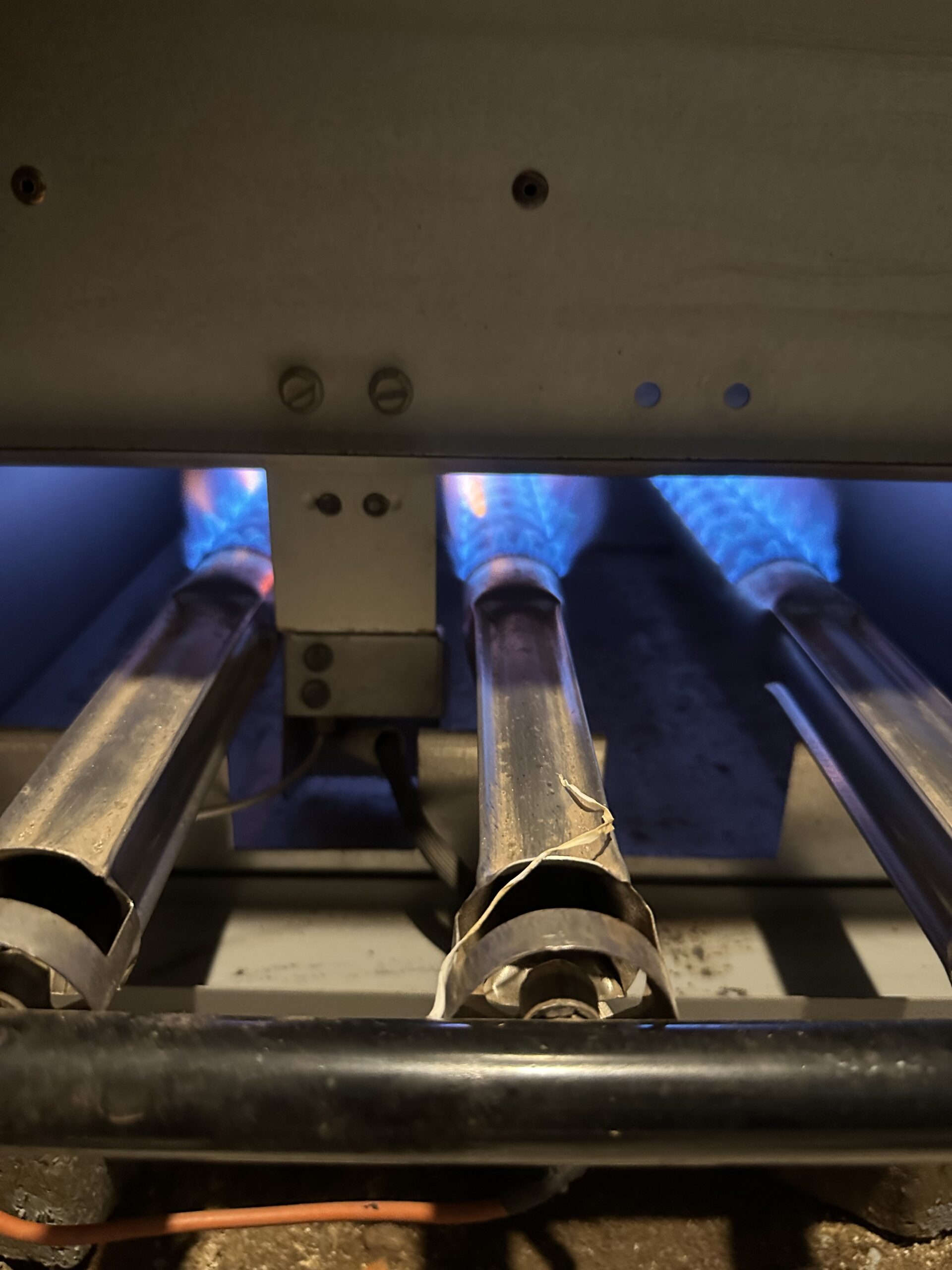
Call a professional if your boiler won’t light, keeps shutting off, has a yellow flame, makes loud banging noises, leaks, or leaves rooms cold. If a CO alarm goes off, leave the house and call 911 first.
We handle hot water boiler repair, steam boiler repair and emergency boiler service throughout Union County. If your boiler is over 20 years old and needs a major repair, ask us about boiler replacement and financing.
Boiler Maintenance NJ: Quick FAQ
How often should a boiler be serviced?
Once a year, ideally in early fall. Many manufacturers require annual service to keep the warranty valid.
When should I turn my boiler on in New Jersey?
Most NJ homeowners turn the heat on between late September and mid-October. Schedule your tune-up before then.
Book Your Fall Boiler Tune-Up Today
Don’t wait for the first cold night to find a problem. Continental Plumbers has provided trusted heating service in Union County since 1985 (NJ License #9142).
📞 Call (973) 900-0430 or schedule your boiler maintenance online.