A pipe just burst, or the toilet won’t stop overflowing, and water is spreading across the floor. What you do in the next 10 minutes decides whether this is a small cleanup or a flooded basement, ruined drywall and a big insurance claim.
Continental Plumbers has handled plumbing emergencies in Union County since 1985, and almost every time the damage was smaller in homes where someone knew these steps. Read this now, before you need it, and share it with everyone in your house.
The First 10 Minutes: 5 Steps to Take Right Away
1. Shut Off the Water (Minute 0–2)
This is the single most important step. Water damage gets worse every second the water keeps flowing.
- If the leak is at one fixture (a toilet, sink or washing machine), close the small shut-off valve behind or under it. Turn it clockwise (“righty-tighty”).
- If it’s a burst pipe, or you can’t find the source, close the main water shut-off valve. In most New Jersey homes it’s in the basement or utility room, on the wall facing the street, close to where the water line comes through the foundation and near the water meter.
- A gate valve (round wheel) turns clockwise until it stops. A ball valve (lever handle) turns a quarter turn so the handle is crosswise to the pipe.
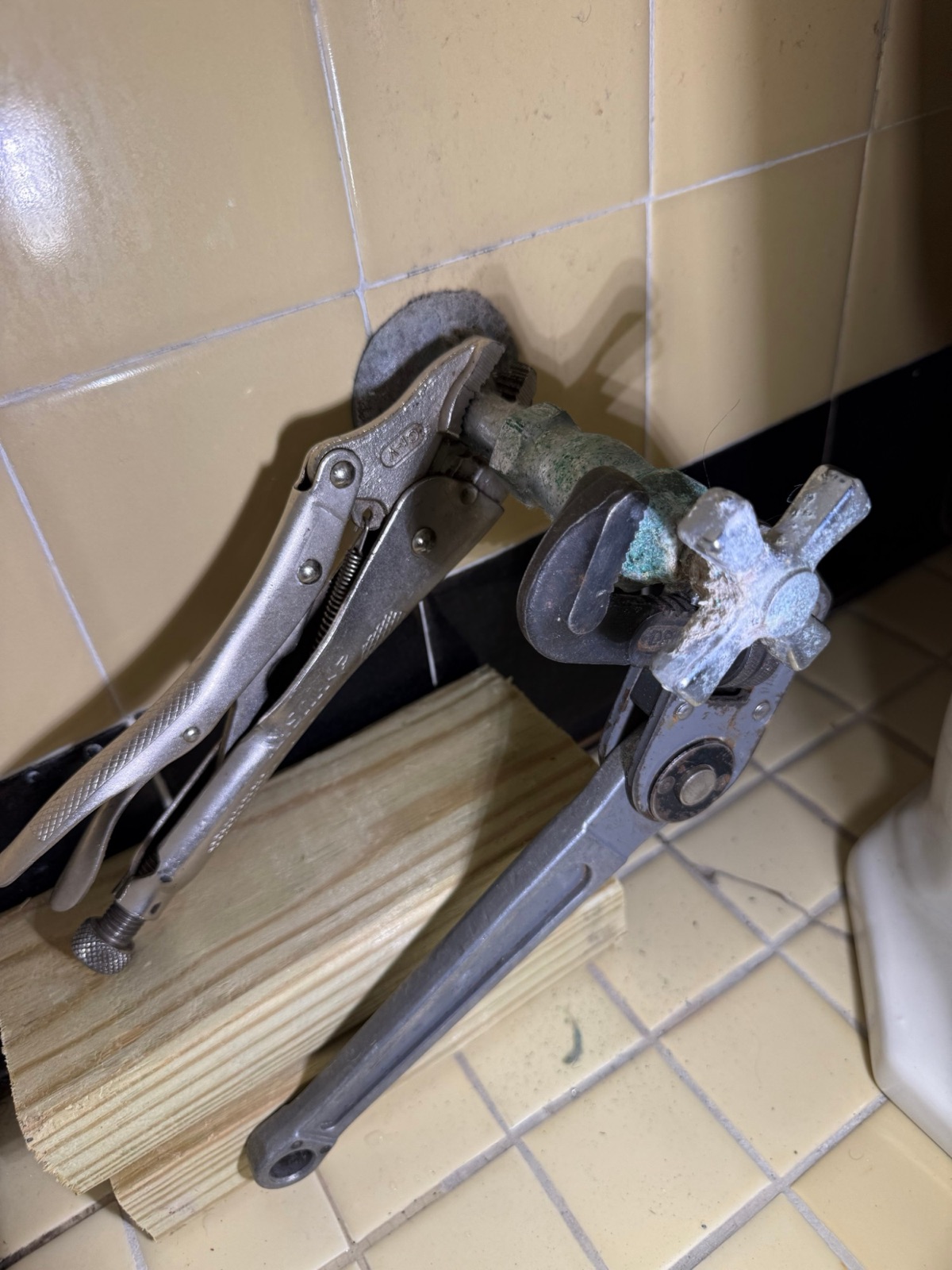
If the valve is stuck or corroded (common in the older homes in Elizabeth and Union), don’t force it hard enough to break it. Call us right away and tell us the valve won’t close.
2. Cut the Power Near the Water (Minute 2–3)
Water and electricity are a dangerous mix. If water is near outlets, power strips, appliances or your electrical panel, turn off power to that area at the breaker box, but only if you can reach the panel without standing in water. If you can’t do it safely, stay out of the area and call the utility or 911.
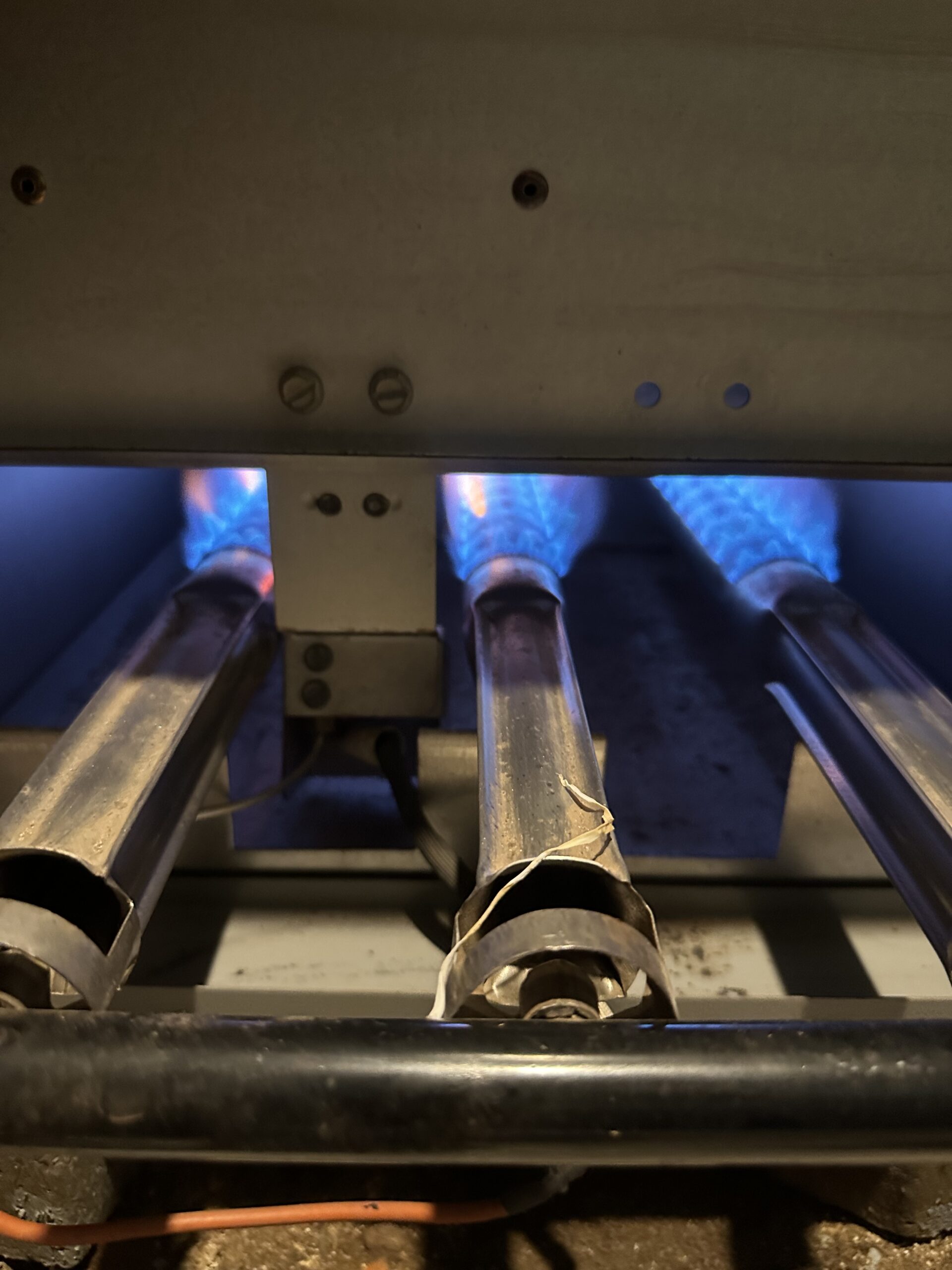
If the leak is at your water heater, also turn off its power (electric) or set the gas valve to “Pilot” or “Off” (gas).
3. Drain the Lines (Minute 3–5)
Even after the main valve is closed, there’s still water sitting in your pipes. Open the cold water faucets on the lowest floor of the house (a basement laundry sink or an outdoor faucet works well) to let it drain out away from the leak. Flush toilets to empty the tanks. This takes pressure off the damaged pipe and cuts down on dripping.
4. Contain the Water (Minute 5–8)
- Put buckets and pans under drips, and use towels to block water from spreading into other rooms.
- Move rugs, electronics, boxes and furniture off wet floors.
- If water is coming through a ceiling that’s bulging, put a bucket underneath and stay clear. A sagging ceiling can give way.
- If the problem is a sewage backup (water coming up from floor drains, tubs or toilets), stop using all water in the house: no flushing, showers, dishwasher or laundry. Keep kids and pets away from the water.
5. Document It, Then Call a Plumber (Minute 8–10)
Take a few photos and a short video of the leak, the water on the floor and any damaged items before you clean up. Your homeowner’s insurance will almost always ask for them.
Then call a licensed plumber. Tell them what happened, where the water is coming from, and whether you were able to shut it off. That helps them bring the right parts and get there faster.
Common Plumbing Emergencies and What to Do
Burst or Frozen Pipe
Shut off the main valve first. If a pipe is frozen but hasn’t burst yet (no water from the faucet, frost on the pipe), keep the faucet open and warm the pipe gently with a hair dryer or space heater, starting at the faucet end. Never use an open flame or torch. Burst pipes usually happen on the coldest nights of January and February, so this is a good time to read our fall plumbing checklist on how to prevent them.
Overflowing Toilet
Take the tank lid off and push the flapper down to stop more water from going into the bowl, then close the valve behind the toilet. Don’t flush again. If plunging doesn’t clear it, or several drains are backing up at once, the clog is probably in the main line. That’s a job for sewer drain cleaning.
Leaking Water Heater
Close the cold water valve on top of the tank and shut off the power or gas. A small drip from a fitting can wait for a scheduled visit. Water pooling under the tank usually means the tank itself is failing, and you’ll need emergency water heater service. Not sure whether to repair or replace? See 7 signs your water heater needs replacing.
Flooded Basement
Stay out of standing water if outlets or appliances could be underwater. Check whether the sump pump is running. If it’s humming but not pumping, or not running at all, it’s likely the cause. Learn more about our sump pump repair and battery backups.
Smell Gas?
This is not a plumbing emergency to handle yourself. Leave the house immediately, don’t flip switches or use your phone inside, and call your gas utility or 911 from outside.
Is It an Emergency, or Can It Wait?
Call an emergency plumber right away if: a pipe has burst, water won’t stop even with the valves closed, sewage is backing up, your only toilet is unusable, or you have no water or no heat in freezing weather.
It can usually wait for a scheduled visit if: a faucet drips, one drain is slow, or a toilet runs. These are still worth fixing soon, because small leaks get bigger, but you can turn off the fixture’s valve and book a regular plumbing repair.
Plumbing Emergency FAQ
Where is the main water shut-off valve in a New Jersey home?
Usually in the basement, on the front wall facing the street, close to where the water line enters the house and near the water meter. In homes without a basement, check the utility room, near the water heater, or a crawl space. Find yours today and make sure it turns.
How fast can an emergency plumber get to me?
It depends on the time and how busy things are, but Continental Plumbers offers same-day service across our service area, and true emergencies like burst pipes and sewage backups go to the top of the list.
Does homeowner’s insurance cover a burst pipe?
Many policies cover sudden water damage from a burst pipe, but not damage from slow leaks or lack of maintenance. Every policy is different, so check yours, and always take photos before cleaning up.
Need an Emergency Plumber in NJ?
Continental Plumbers has provided trusted plumbing service in Union County since 1985 (NJ License #9142). We serve Elizabeth, Union, Hillside, Kenilworth, Roselle Park and nearby towns, with same-day service available. If water is where it shouldn’t be, shut it off, then call us.
📞 Call (973) 900-0430 or request plumbing repair online.